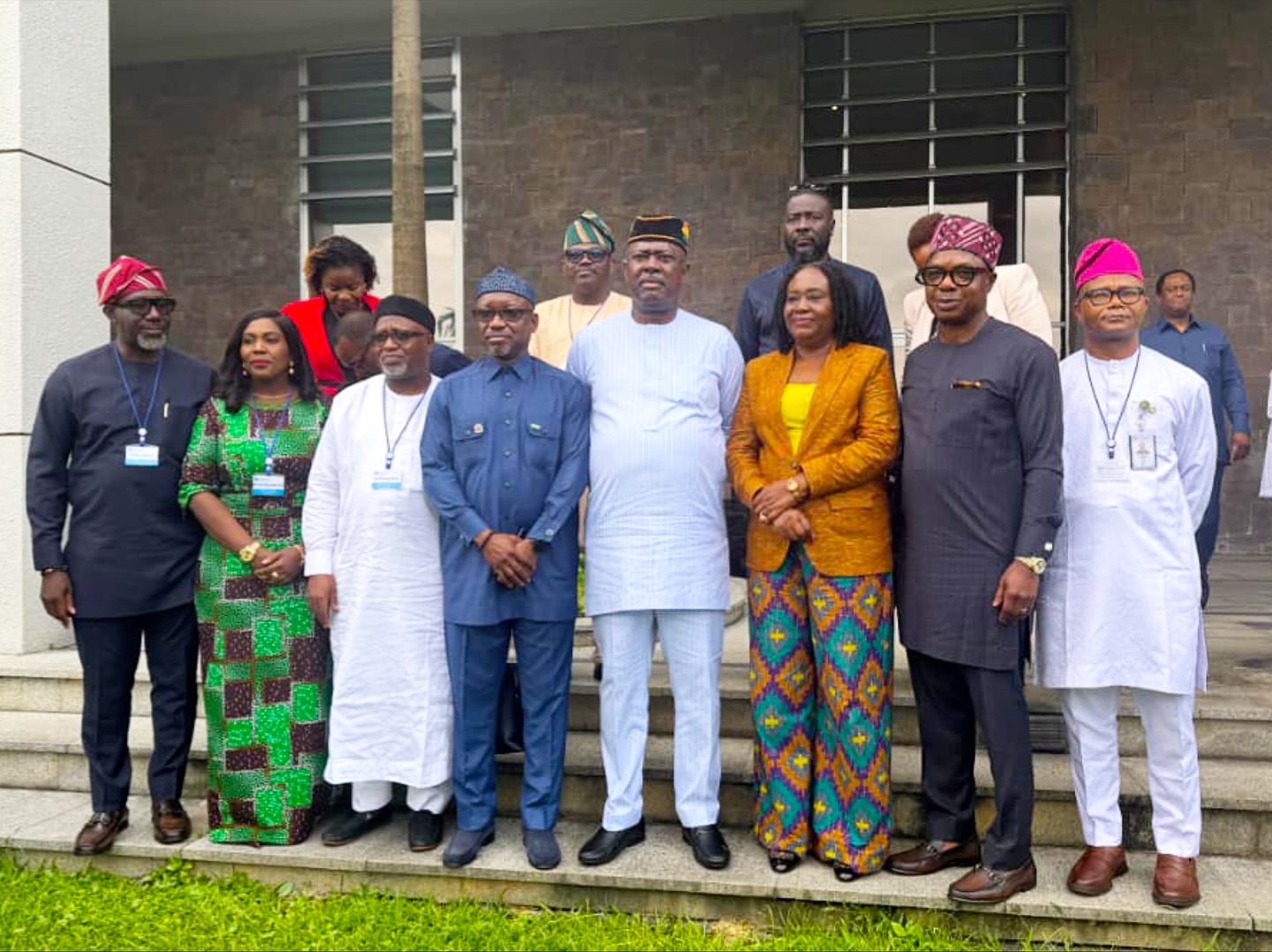
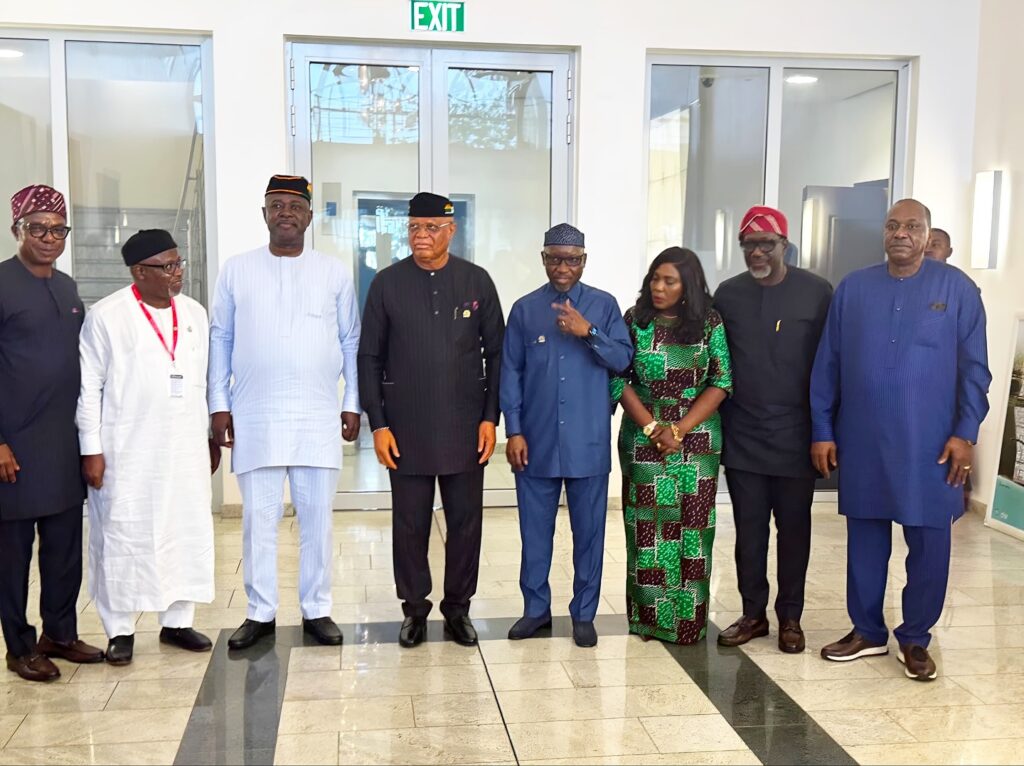
The Nigerian Content Development and Monitoring Board (NCDMB) has commenced a three-day retreat in Uyo, Akwa Ibom State, aimed at enhancing policy coherence and deepening the implementation of Nigeria’s local content agenda across the oil and gas industry.
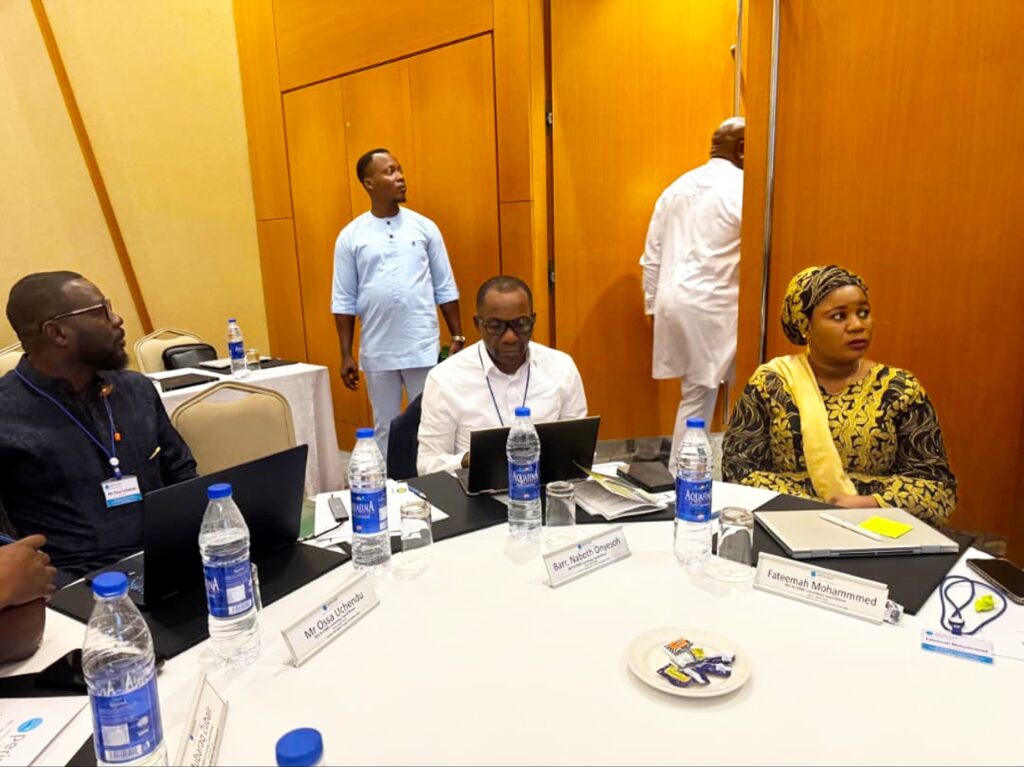
The retreat, chaired by the Honourable Minister of State for Petroleum (Oil), Senator Heineken Lokpobiri, and the Honourable Minister of State for Petroleum (Gas), Ekperikpe Ekpo, brings together members of the NCDMB Governing Council to review progress, identify gaps, and set strategic priorities for the Board’s next operational phase.
Established under the Nigerian Oil and Gas Industry Content Development Act of 2010, the NCDMB is mandated to promote indigenous participation in the energy sector, foster capacity-building for local companies, and ensure that a significant share of oil and gas industry value creation remains within the Nigerian economy.
According to official data from the Board, Nigerian content levels in the oil and gas sector have risen from less than 5 percent in 2010 to over 54 percent by 2023, reflecting sustained progress in local manufacturing, engineering, and project execution. However, with global energy transition pressures and domestic fiscal challenges, the Board’s leadership has emphasized the need for renewed coordination and innovation to sustain growth and attract investment in indigenous capacity.
The Uyo retreat, attended by senior policymakers, regulators, and industry stakeholders, is expected to focus on improving governance frameworks, enhancing monitoring systems, and aligning the NCDMB’s medium-term strategy with federal energy priorities, including gas commercialization, modular refining, and local fabrication.
Speaking during previous council engagements, Senator Lokpobiri underscored the critical role of local content in national economic recovery and job creation, noting that “the future of Nigeria’s oil and gas industry depends on maximizing indigenous value retention.”
The outcomes of the retreat are expected to inform new policy directions for 2026–2030, reinforcing the Board’s mandate to ensure Nigerian expertise and enterprises remain central to the country’s hydrocarbon development and energy diversification agenda.