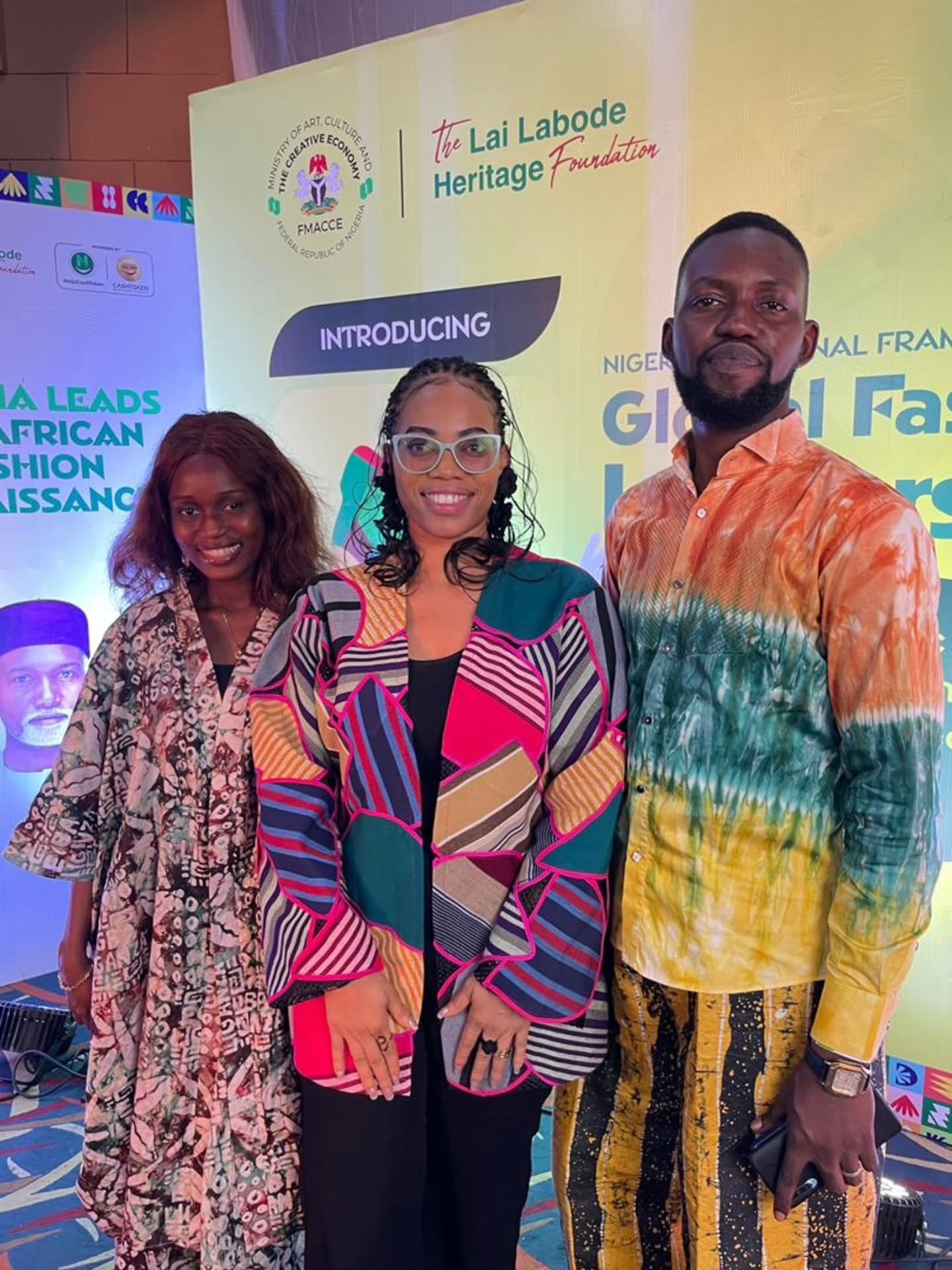
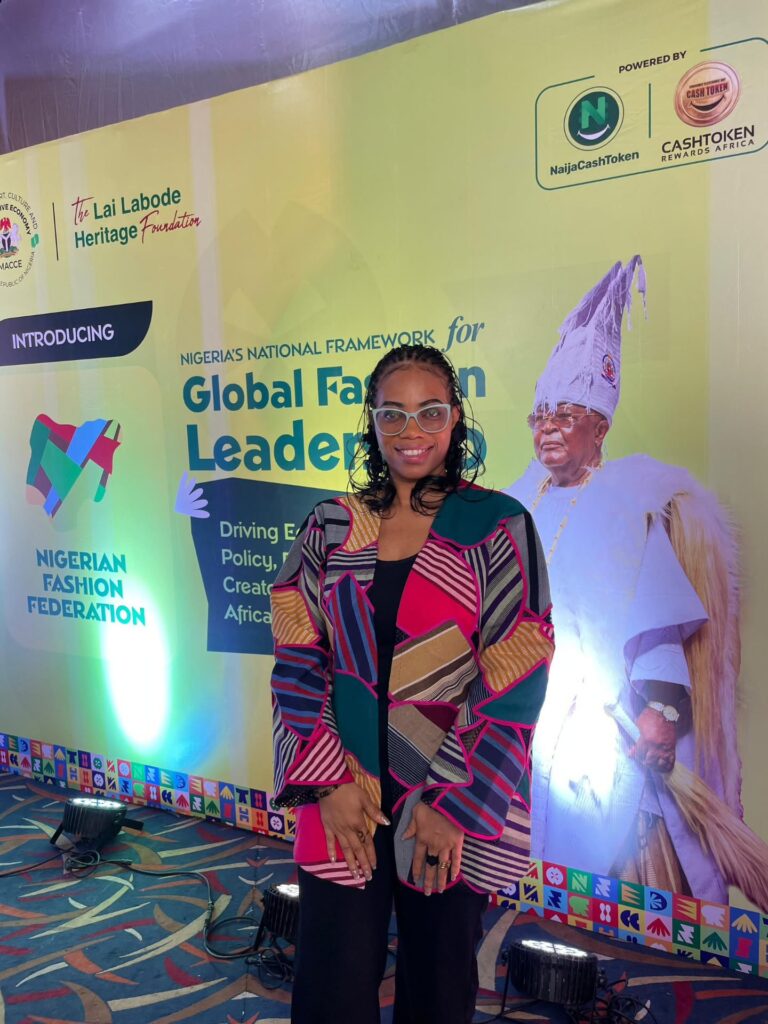
At a world press conference held in Abuja, the Confederation of African Fashion (CAFA) and the Lai Labode Heritage Foundation unveiled the Afroliganza Vision — a continental strategy to empower Africa’s apparel, textile, and fashion industries. The announcement was formalised by Nigeria’s Minister of Arts, Culture, Tourism & the Creative Economy, Hannatu Musa Musawa, who reaffirmed the Federal Government’s commitment to situating culture, heritage, and creative enterprise at the centre of its economic agenda.
Musawa stated that the Afroliganza Vision seeks to grow Africa’s fashion economy from an estimated US $30 billion to US $500 billion within the next decade, positioning Nigeria as a leader in this transformation. Under her purview, the Ministry is coordinating with the Lai Labode Heritage Foundation and CAFA to establish national frameworks, federations, and export-oriented manufacturing hubs.
A key facet of the initiative involves bridging the export-import imbalance in Africa’s textiles and apparel trade. Minister Musawa cited figures showing the continent exports roughly US $15.5 billion in textiles, cotton, and apparel but imports about US $23.1 billion, highlighting the potential for domestic value addition.
The Afroliganza Vision aims to:
- Establish a national fashion federation aligned with CAFA policy.
- Host the inaugural African Global Fashion Games in Abuja and Egypt in 2027 to generate visibility, trade, and industrial collaboration.
- Mobilise investment, policy reform, and infrastructure development to modernise textile mills, scale manufacturing, and retain value within Africa.
The initiative aligns with Nigeria’s broader creative economy priorities, as the Ministry under Musawa emphasises the role of cultural and creative sectors in job creation, export growth, and economic diversification.
Implications and Next Steps
For stakeholders across Africa’s creative value chain, the Afroliganza Vision provides a structured roadmap to transition from raw material export-dependence to manufactured, branded fashion output rooted in African heritage. Nigeria’s leadership role offers a blueprint for regional collaboration.
Key next steps include the finalisation of formal charters and federative structures under CAFA, mobilisation of capital and technology into textile manufacturing, and alignment of national governments with continental trade protocols to ensure scalability.
The press conference represents more than a ceremonial moment — it signals a strategic shift in how African nations view the intersection of heritage, design, and industrial growth. Nigeria is asserting itself as a hub for the African Fashion Renaissance.