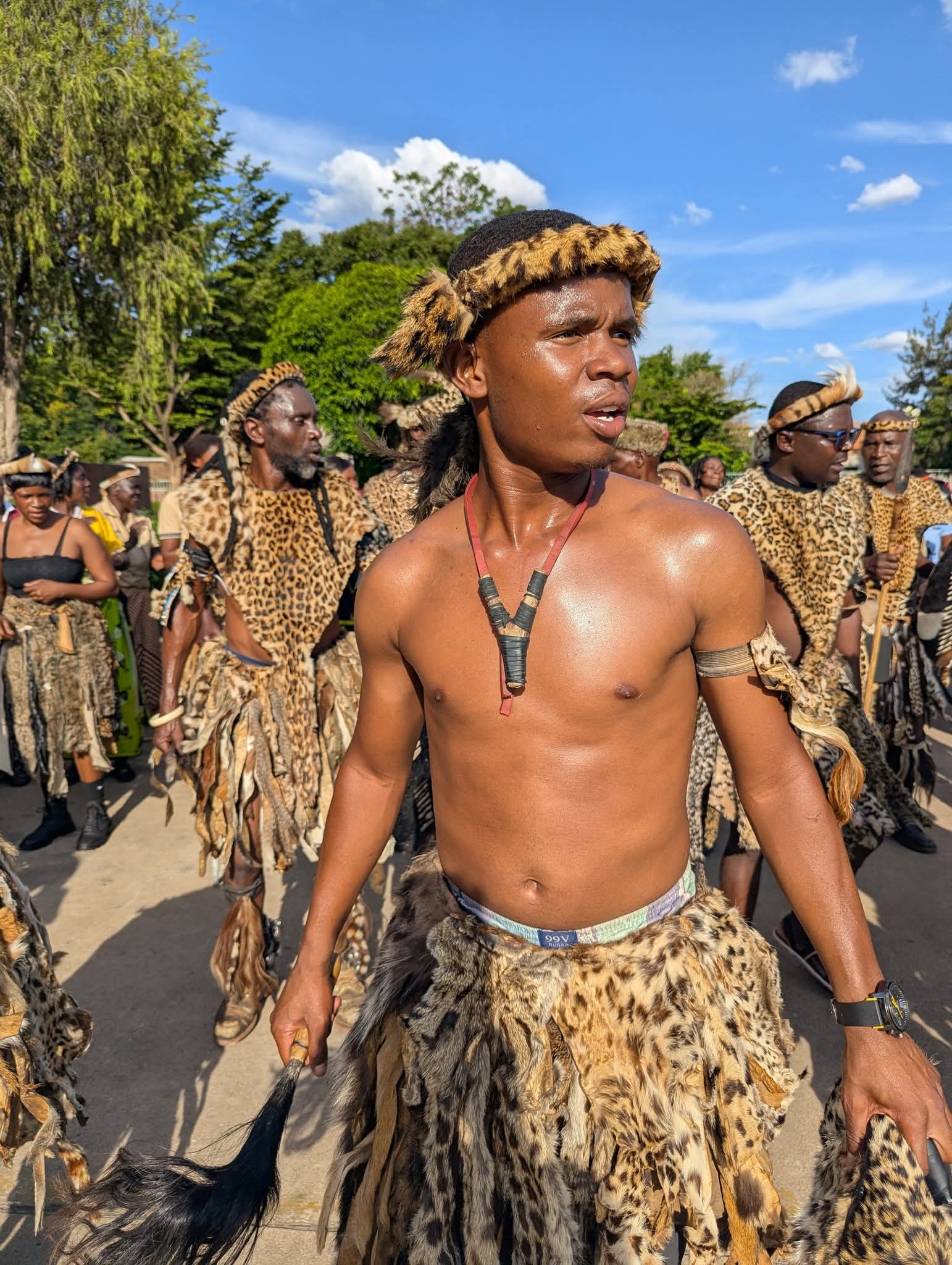
The Ngoni people of Zambia’s Eastern Province gathered at Mtenguleni Village in Chipata District on the last Saturday of February for the annual Nc’wala ceremony, a ritual of thanksgiving that marks the tasting of the first harvest and reaffirms ancestral continuity.
Nc’wala, commonly understood as the “first fruits” ceremony, is one of Zambia’s most significant traditional observances and draws Ngoni communities from across southern Africa, including Malawi, Mozambique and South Africa. According to the Zambia Tourism Agency, the ceremony centres on gratitude for agricultural abundance and prayers for stability in the coming season, anchoring food production to spiritual accountability and communal order.
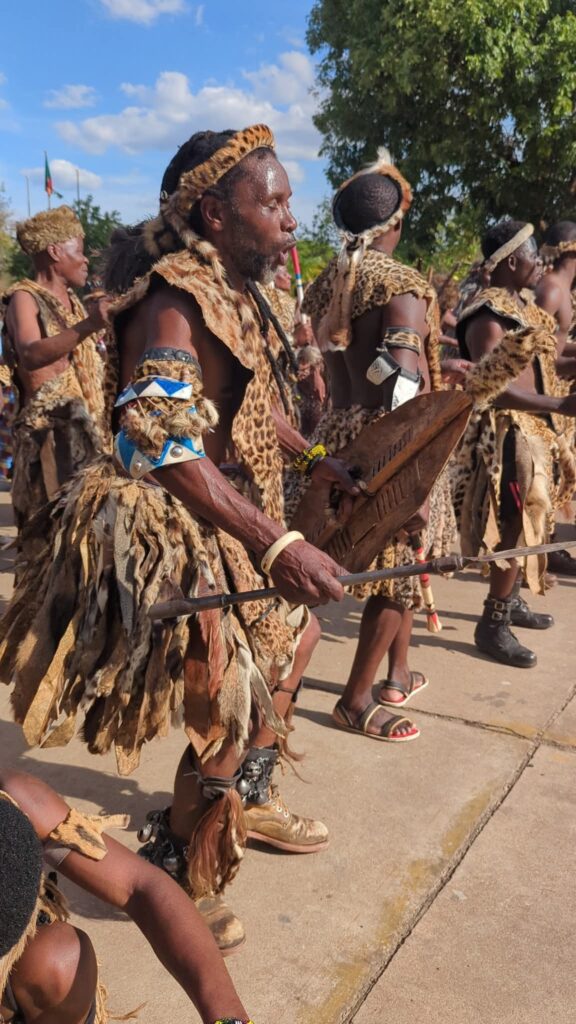
The ritual reaches its climax when representatives from villages present crops such as maize, millet, pumpkins and sugarcane to Paramount Chief Mpezeni, the traditional leader of the Ngoni in Zambia. Only after the chief symbolically partakes in the produce may the community consume the new harvest, a practice documented by Music In Africa as central to Ngoni cosmology and governance. Traditional ngoma dances, regimented warrior formations and ceremonial attire underscore the Ngoni’s military heritage and collective discipline.
The ceremony’s historical roots trace back to the early nineteenth century migration of the Ngoni people from what is now KwaZulu-Natal, a movement linked to the wider mfecane period in southern Africa. Historical records show that Ngoni groups, under leaders such as Zwangendaba, moved northward through present day Eswatini, Mozambique and Zimbabwe before settling in eastern Zambia. This migration history is widely referenced in regional scholarship and preserved through oral tradition at Nc’wala, where lineage and movement remain central themes.
Colonial authorities disrupted the ceremony during the early twentieth century, viewing it as a threat to administrative control due to its spiritual authority and capacity to mobilise large gatherings. Cultural historians note that Nc’wala was formally reinstated in 1980 under Paramount Chief Mpezeni III, following Zambia’s independence, restoring its public and political legitimacy as a national heritage event.
In its contemporary form, Nc’wala has expanded beyond ritual observance into a cultural and tourism institution. The Zambia Tourism Agency reports that the ceremony attracts thousands of attendees annually, including government officials, traditional leaders, researchers and international visitors. Associated activities include cultural exhibitions, historical storytelling and educational programmes that contextualise Ngoni migration, governance and agricultural systems.
The continued observance of Nc’wala reflects more than cultural survival. It functions as a mechanism for intergenerational knowledge transfer, reinforces land based identity and positions indigenous governance as relevant in a modern state. As Zambia increasingly promotes cultural tourism, Nc’wala stands as a living archive of southern Africa’s migratory history and the enduring relationship between food, spirituality and authority.