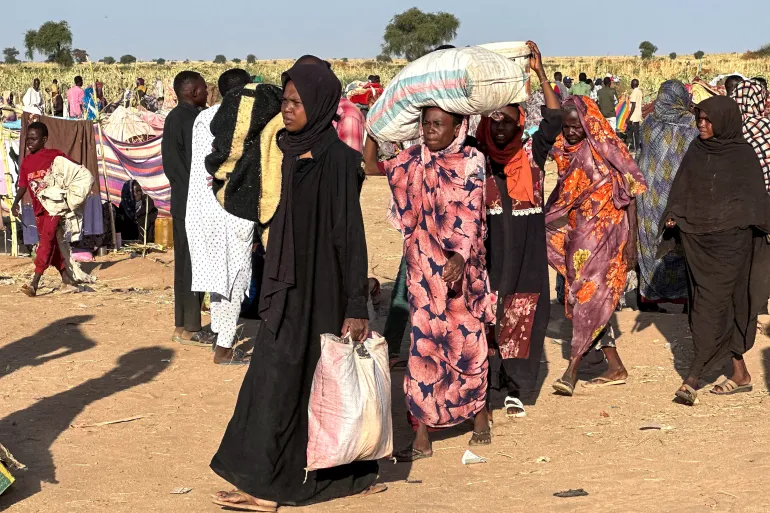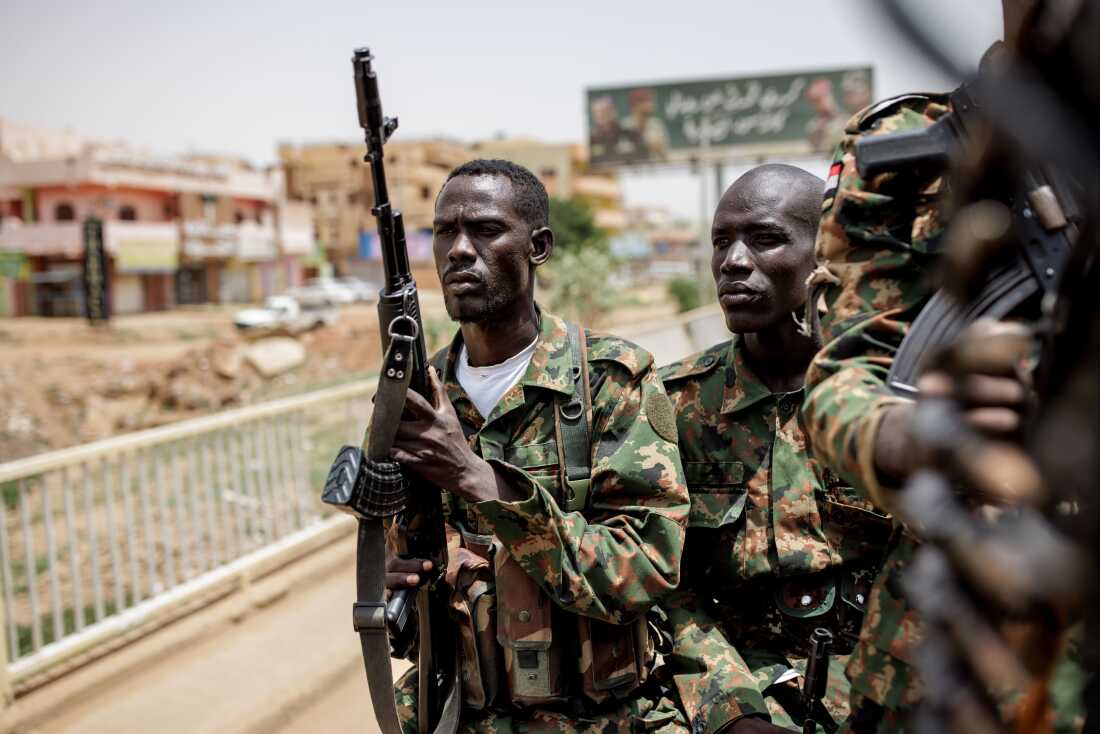
Sudan stands on the edge of collapse. Eighteen months after a brutal power struggle erupted between the Sudanese Armed Forces (SAF) and the Rapid Support Forces (RSF), the country has descended into one of the worst humanitarian crises in living memory.
The fall of El Fasher, capital of North Darfur, to the RSF in late October marked a new and perilous phase in the war. According to UN human rights officials and Médecins Sans Frontières, the capture followed an 18-month siege that left hundreds dead, hospitals overwhelmed, and food supplies cut off. Human Rights Watch and other monitors have documented mass killings, executions, and widespread sexual violence against civilians as the city fell.
El Fasher had become a last refuge for people displaced from across Darfur. Satellite imagery analysed by the BBC and the Critical Threats Project shows entire neighbourhoods destroyed during the siege, while aid convoys were repeatedly blocked by RSF checkpoints. Doctors working with MSF described performing surgeries under bombardment, often without electricity or anaesthetic. When the city finally fell, tens of thousands fled toward the Zamzam displacement camp, which itself was later attacked.
The conflict’s roots trace back to Sudan’s failed transition to civilian rule after the overthrow of President Omar al-Bashir in 2019. Following his ousting, a fragile power-sharing government between civilians and the military was formed but was later toppled in a coup in October 2021 by army chief Gen Abdel Fattah al-Burhan and his deputy, RSF commander Gen Mohamed Hamdan Dagalo, known as Hemedti. Disagreements over merging the RSF into the national army and the balance of power between the two generals led to open warfare in April 2023, as reported by Al Jazeera.
The RSF emerged from the Janjaweed militias accused of atrocities in Darfur two decades ago. Its leader, Hemedti, controls lucrative gold mines that have allowed him to build an independent power base. Analysts from the International Crisis Group note that both men are motivated less by ideology than by a desire to retain control and wealth. The RSF is accused of receiving funding and weapons from the United Arab Emirates and support from Libyan commander Khalifa Haftar, though both have denied the allegations. Egypt, meanwhile, continues to back the Sudanese army, whose headquarters now operate out of Port Sudan on the Red Sea.
After months of street battles, the army regained control of Khartoum earlier this year, but the RSF’s westward expansion into Darfur and Kordofan has widened the conflict. In January, the US State Department determined that the RSF and allied militias had committed genocide against non-Arab communities in Darfur, citing systematic killings and sexual violence. Sanctions were imposed soon after on both Burhan and Hemedti.
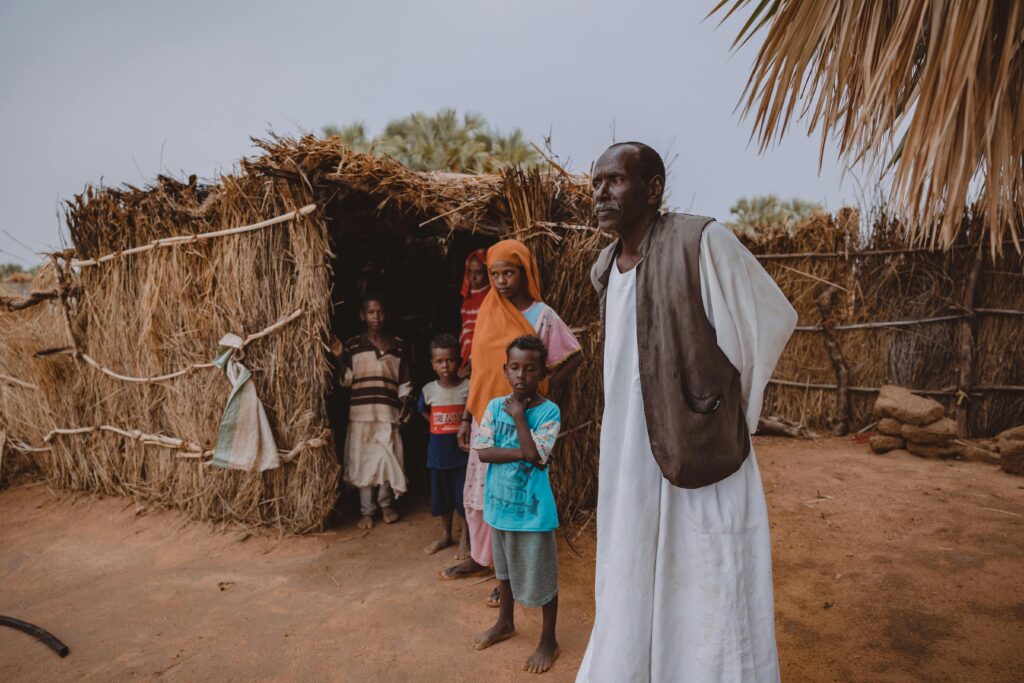
The humanitarian toll is staggering. The UN Office for the Coordination of Humanitarian Affairs estimates that over 12 million people have been displaced and that more than 30 million require urgent assistance — more than half the country’s population. The World Food Programme warns that more people face famine in Sudan than anywhere else in the world. The World Health Organization reports that more than 80 per cent of hospitals in conflict zones are non-functional, while outbreaks of cholera and measles are spreading rapidly due to collapsed sanitation systems.
Aid groups say both sides are obstructing relief operations. MSF has accused the warring parties of using starvation as a weapon, while UN humanitarian chief Martin Griffiths described the situation as “a man-made catastrophe of unimaginable scale,” blaming international inaction for allowing atrocities to continue.
Efforts to broker peace have repeatedly faltered. Talks hosted in Saudi Arabia and Bahrain have failed to produce a lasting ceasefire, with both factions accused of stalling. The International Crisis Group calls the mediation process “piecemeal and underpowered,” while Amnesty International has condemned the global response as “woefully inadequate.”
As the war grinds on, attention from the outside world has diminished. WHO Director-General Tedros Adhanom Ghebreyesus told the BBC that conflicts in Africa are met with far less empathy than those elsewhere, saying bluntly: “I think race is in play here.”
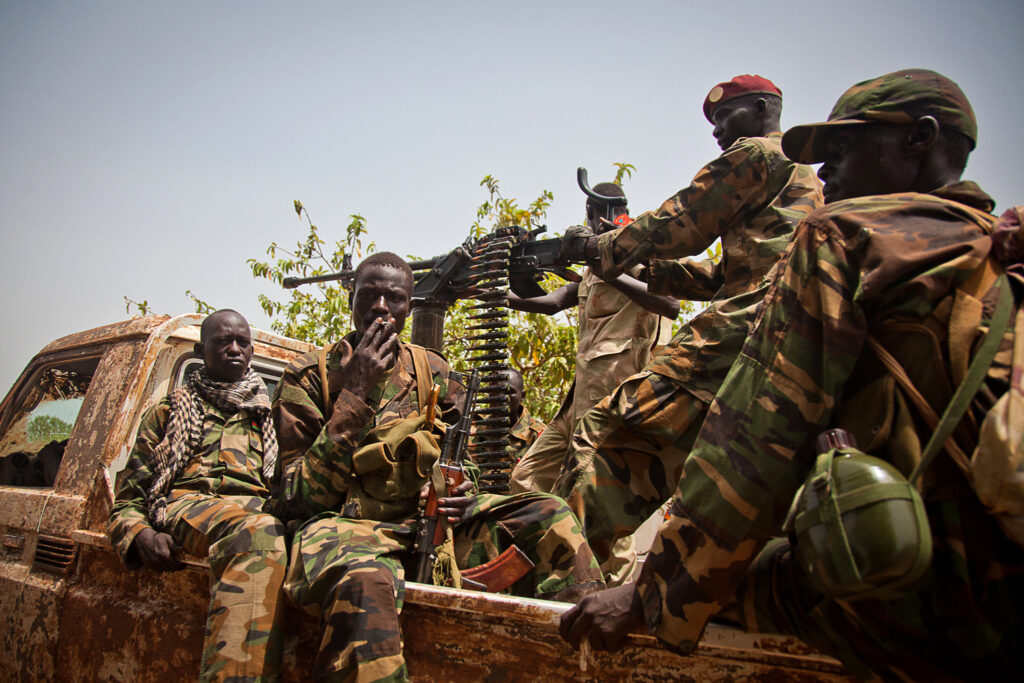
With the RSF now controlling nearly all of Darfur and much of central Sudan, and the army entrenched along the Red Sea, many fear the country could fracture again — echoing the 2011 secession that created South Sudan. Economically, Sudan’s collapse is near-total. State revenues have fallen by 80 per cent, inflation is rampant, and gold smuggling has become one of the few functioning industries.
For civilians trapped in El Fasher and beyond, survival itself has become a daily act of defiance. “The world may not be watching,” said one aid worker who fled to Chad, “but Sudan is bleeding.”
Sudan’s war, largely absent from global headlines, has become not only the world’s largest humanitarian emergency — but also its most forgotten.