
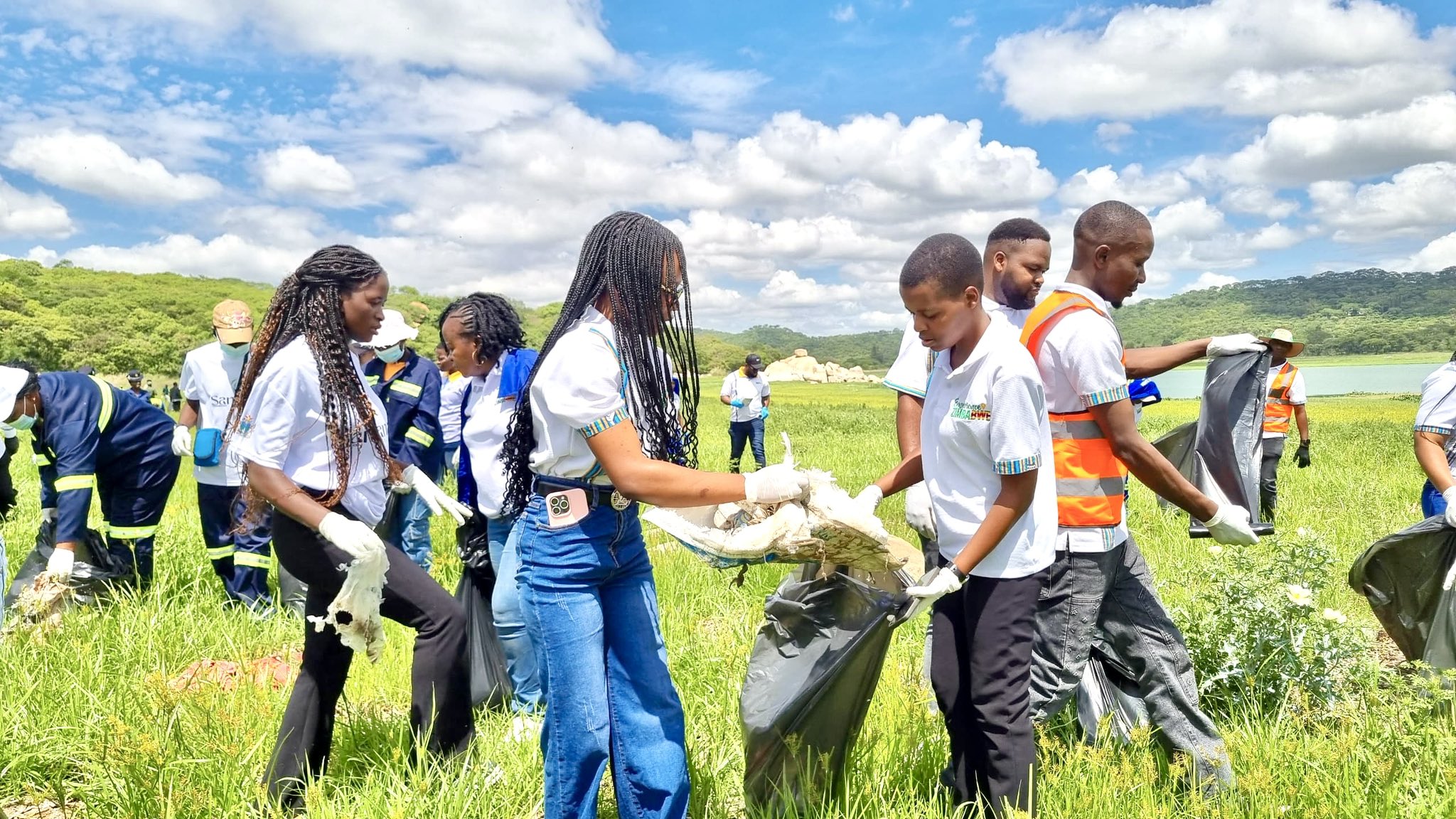
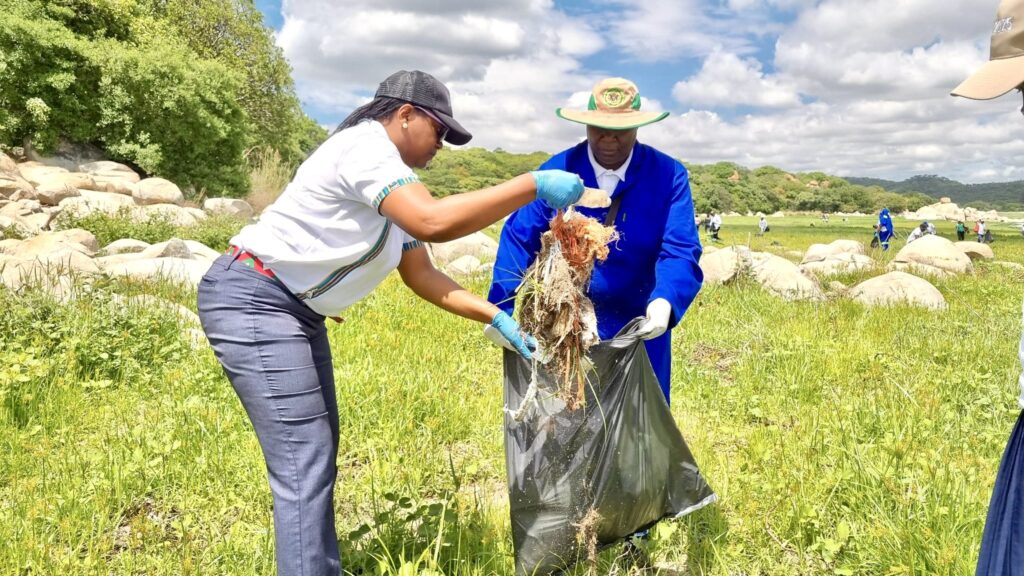
Deputy Minister of Tourism and Hospitality Industry Tongai Mnangagwa led the December National Clean-Up Campaign at Lake Chivero, responding to a call from the Eco Revival Group to intensify environmental protection efforts during the festive season. The operation brought together state agencies, conservation bodies and community partners in a coordinated attempt to restore one of Zimbabwe’s most important tourism and ecological sites.
The campaign drew participation from the Environmental Management Agency, ZIMPARKS, the Zimbabwe Republic Police, the Zimbabwe Prisons and Correctional Services, Ministry officials and the Zimbabwe Tourism Authority. In his address, the Deputy Minister commended the collective effort and underscored the importance of maintaining a clean environment to enhance the visitor experience and protect the lake’s biodiversity. The initiative aligned with the Ministry’s broader message that environmental quality is fundamental to a competitive tourism sector.
Lake Chivero’s condition has deteriorated over several years, posing serious ecological and public health risks. Pollution levels intensified in 2024 and 2025, with raw sewage, agricultural runoff and industrial waste contributing to recurrent cyanobacterial blooms. These blooms led to significant wildlife deaths, including the widely reported incident in which more than a thousand fish were found washed ashore, an event confirmed by ZBC News.
Environmental researchers have warned that the lake’s contamination includes high concentrations of microcystins, toxins associated with increased cancer risk. A scientific review published by The Zimbabwean highlighted the danger to both communities and wildlife. The degradation has also undermined tourism activities, recreational use and the livelihoods of residents who rely on fishing, boating and hospitality services along the lake’s perimeter.
Government has presented several interventions to reverse this decline. Earlier this year, the Ministry for Environment approved a multi-agency rehabilitation plan focused on wastewater treatment upgrades, improved sewage management and real-time monitoring of water quality. Details of these measures were outlined by The Observer Zimbabwe, which noted the significant capital outlay required to modernise aging infrastructure.
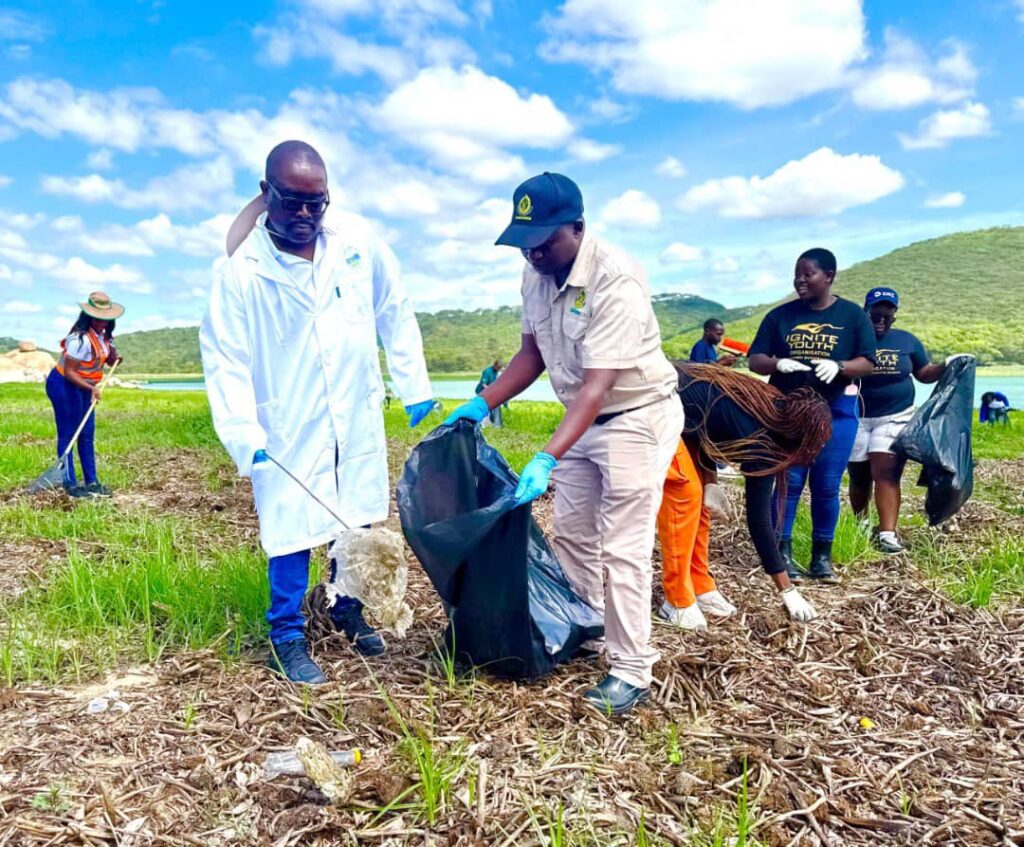
The December clean-up therefore forms one component of a wider restoration effort. While the operation improved waste removal and raised public awareness, the lake’s recovery ultimately depends on sustained infrastructure investment, regulatory enforcement and community involvement. Experts caution that isolated clean-ups cannot compensate for persistent effluent discharge into the Manyame Catchment, which supplies Lake Chivero and contributes to Harare’s water system.
Restoring Lake Chivero as a viable tourism and ecological asset will require consistent collaboration across government departments, conservation bodies and local communities. The latest campaign demonstrated strong institutional commitment, but long-term progress will be measured by measurable declines in pollution levels, strengthened wastewater systems and the return of stable biodiversity. The clean-up may signal renewed momentum, but the success of Zimbabwe’s tourism heritage around Lake Chivero will rely on continuous, evidence-driven action in the months ahead.