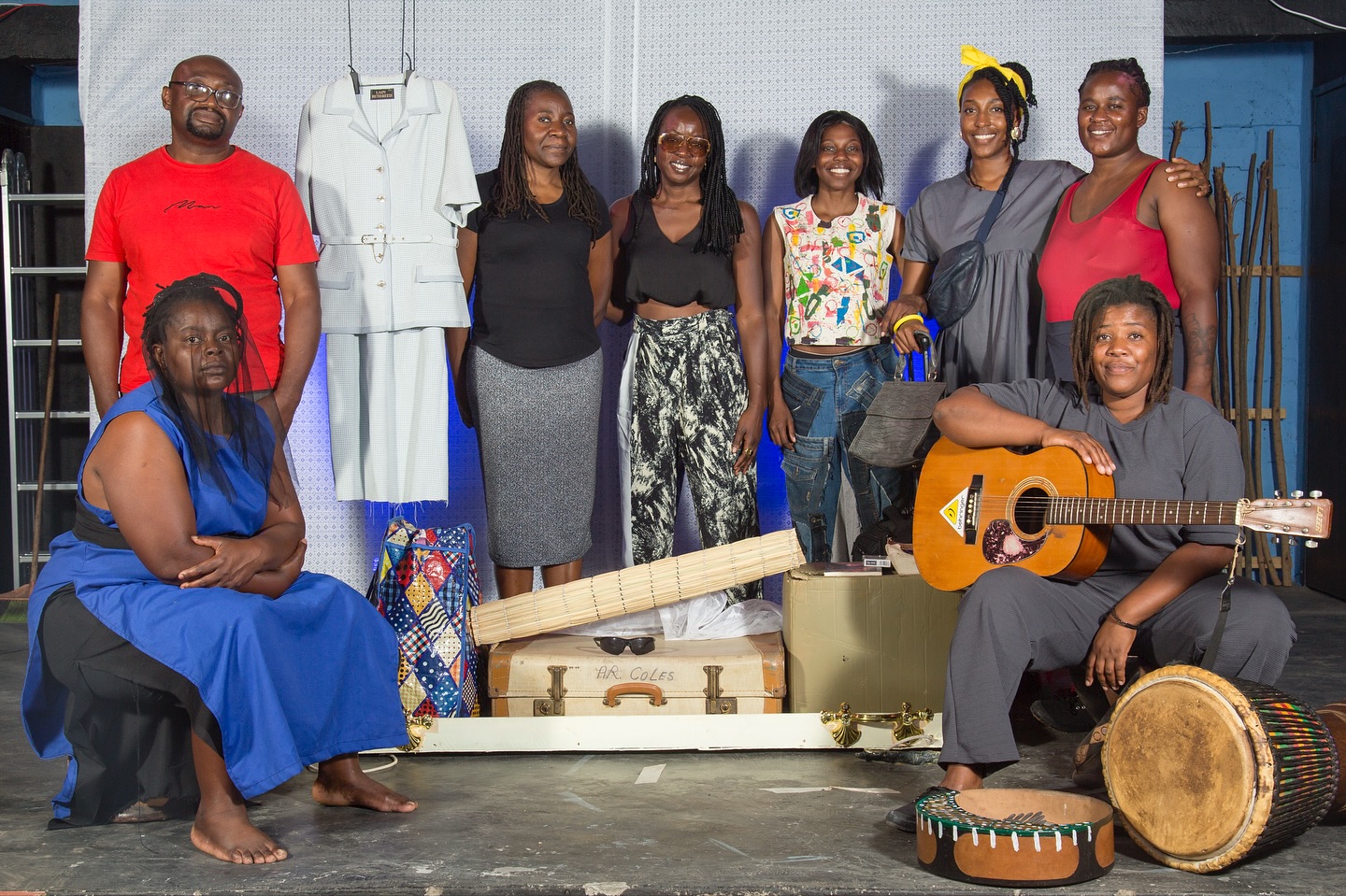
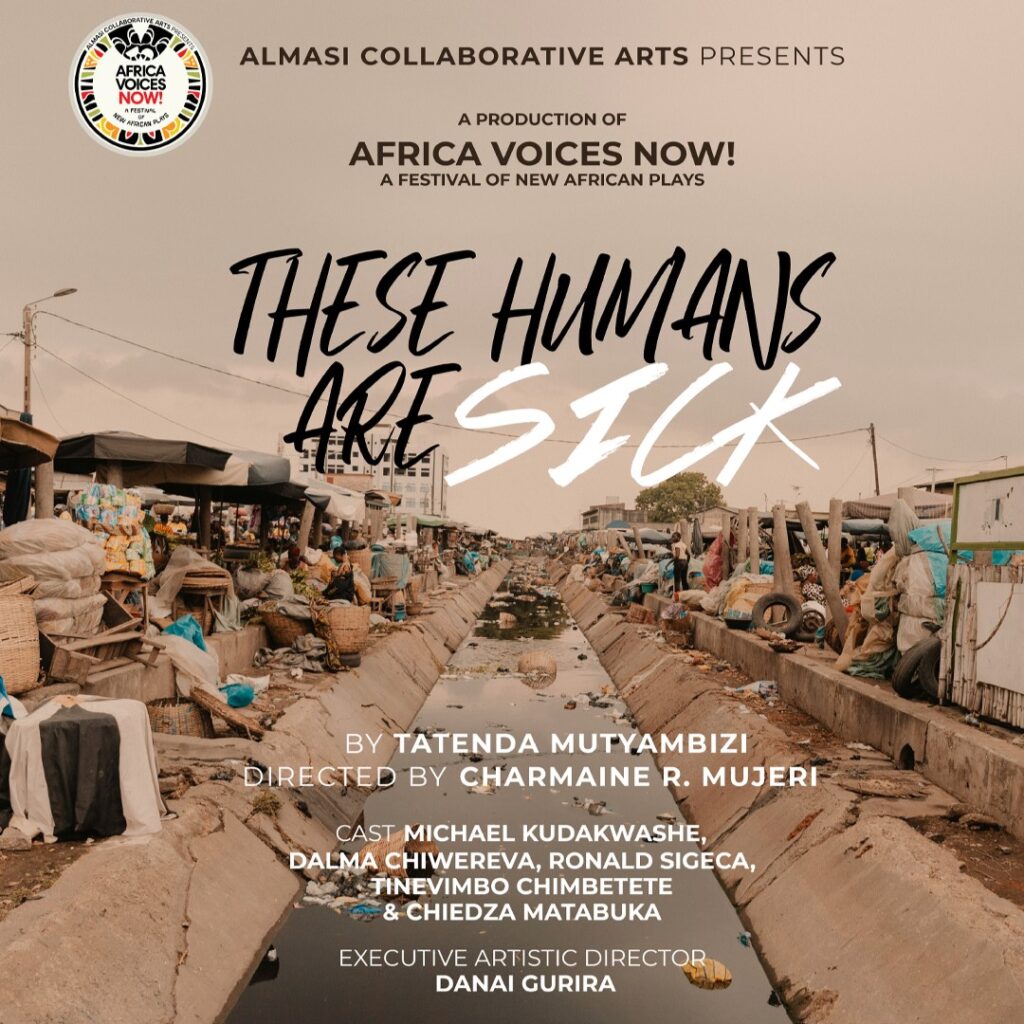
Harare, Zimbabwe — 6 November 2025. The closing night of the Africa Voices Now! Festival brings a powerful conclusion to a month of storytelling with These Humans Are Sick, a solo performance by playwright and actor Tatenda Chancellor Mutyambizi. The production, staged at the Jasen Mphepho Little Theatre, is presented by Almasi Arts — one of Zimbabwe’s leading creative development organisations — and marks a pivotal moment in the nation’s contemporary theatre movement.
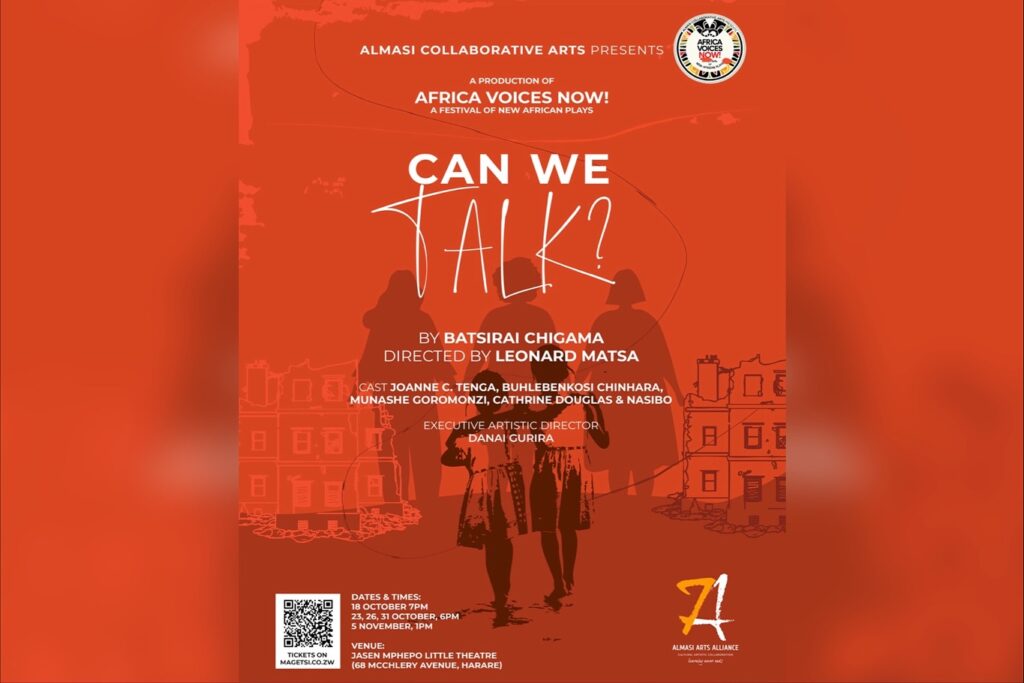
The performance, described by Almasi as “a dreamer. A ghetto,” fuses poetry, monologue, and physical theatre to interrogate the frailty and resilience of ordinary citizens in a society plagued by economic instability and eroding social cohesion. Mutyambizi’s performance moves between the confessional and the collective, exposing the psychological toll of disillusionment while celebrating the endurance that defines Zimbabwean life.
Founded in 2011 by the award-winning actress and playwright Danai Gurira and theatre producer Patience Gamu Tawengwa, Almasi Arts has steadily built a reputation for nurturing homegrown talent through workshops, mentorship, and international collaboration. The organisation’s mission — to professionalise the Zimbabwean arts sector and connect it to global networks — has made it a vital incubator for emerging playwrights and performers across the Southern African region.
Through its annual Africa Voices Now! Festival, Almasi curates productions that confront the complexities of African identity in postcolonial and global contexts. This year’s edition, held throughout October and November, included premieres such as The Return and These Humans Are Sick, alongside readings, masterclasses, and panel discussions exploring the intersections of politics, migration, and creative agency.
Mutyambizi’s play stands out for its minimalism and intensity. Performed against a stark set, it relies on body language and language cadence to evoke both despair and transcendence. The work captures the internal fractures of individuals “sickened” by injustice yet still driven to imagine new forms of belonging. In this sense, the production functions as both mirror and manifesto — reflecting societal illness while asserting art’s power to diagnose and heal.
The Jasen Mphepho Little Theatre, which hosts the performance, has long been a cornerstone of Zimbabwe’s independent theatre scene. Formerly known as Theatre in the Park, it was renamed in honour of the late playwright and cultural activist Jasen Mphepho, whose commitment to accessible, community-based art continues to influence new generations of performers. The theatre’s collaboration with Almasi Arts signals a revival of urban theatre spaces as civic forums for public dialogue and artistic experimentation.
Tickets for tonight’s final showing are available at the gate, with the performance beginning at 18:00. The decision to keep pricing accessible aligns with Almasi’s philosophy of creating inclusive cultural participation rather than elitist entertainment.
Beyond its artistic merit, These Humans Are Sick embodies a wider cultural shift. In a country where economic hardship often constrains creative production, the play reclaims art as a tool for truth-telling and collective reckoning. It situates performance not as escapism but as testimony — a place where memory, protest, and hope coexist.
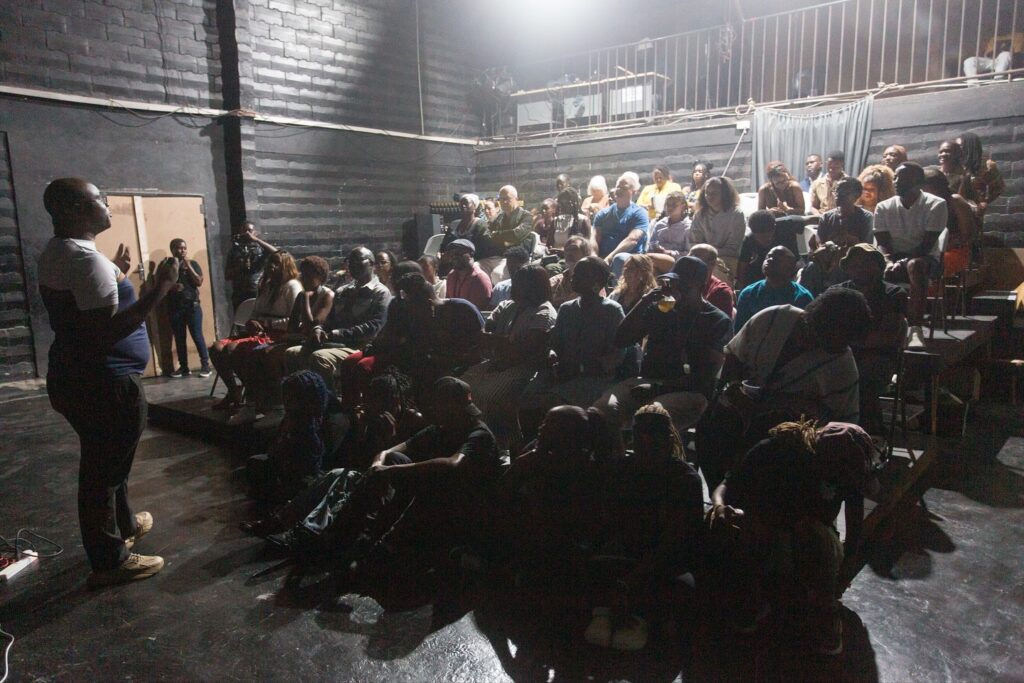
For cultural journalists, the production represents a model of theatre as civic journalism: a form that informs, agitates, and archives lived experience with precision and empathy. Its closing night marks not only the end of a festival but also a reaffirmation of theatre’s role as Zimbabwe’s most enduring medium of resistance and renewal.
These Humans Are Sick is more than a play — it is an intervention. In centring Zimbabwe’s “sick humans,” Tatenda Mutyambizi and Almasi Arts have illuminated the shared pulse of a nation that refuses to succumb to despair, reminding audiences that even in the face of illness, art remains both diagnosis and cure.