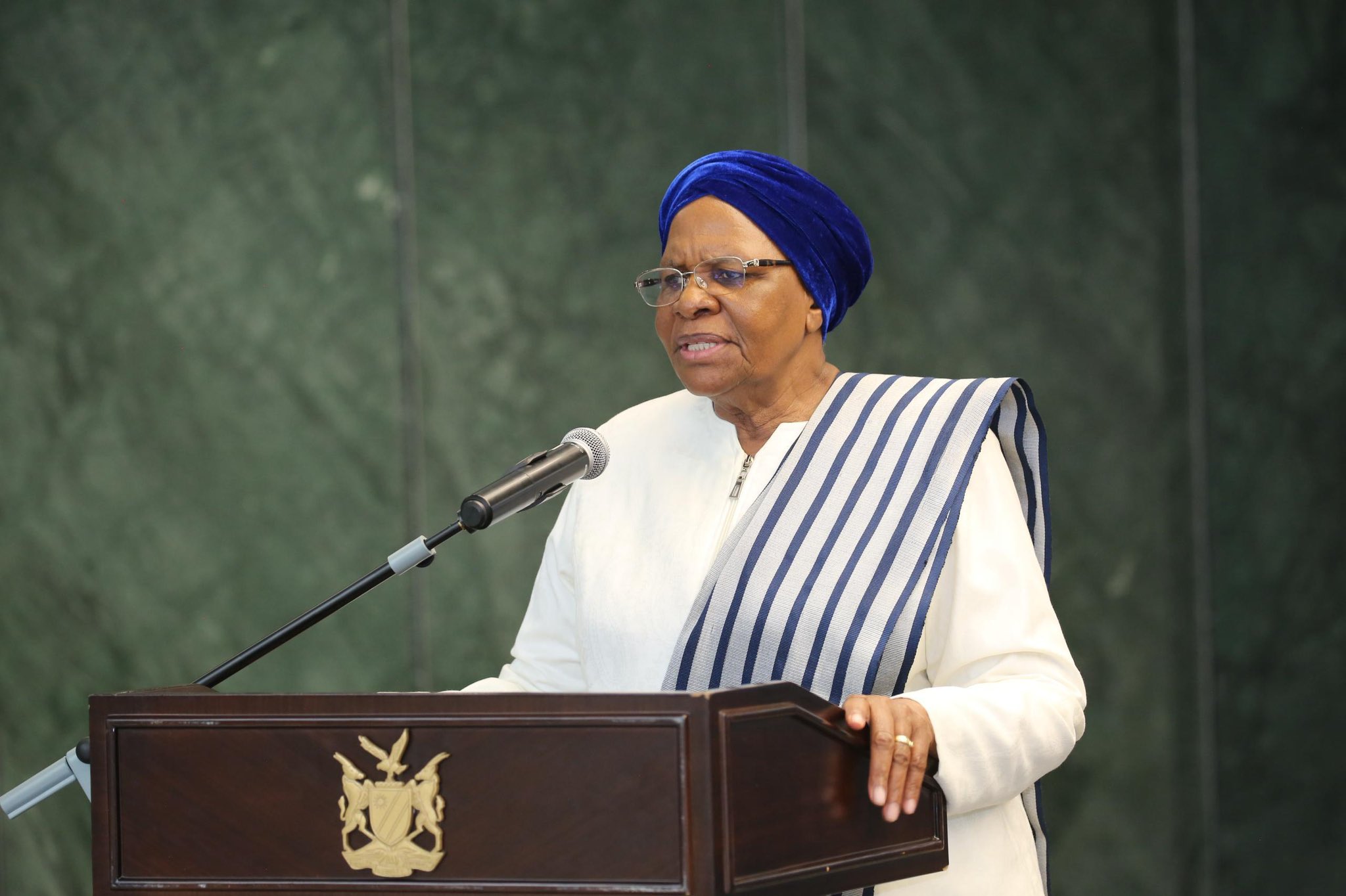
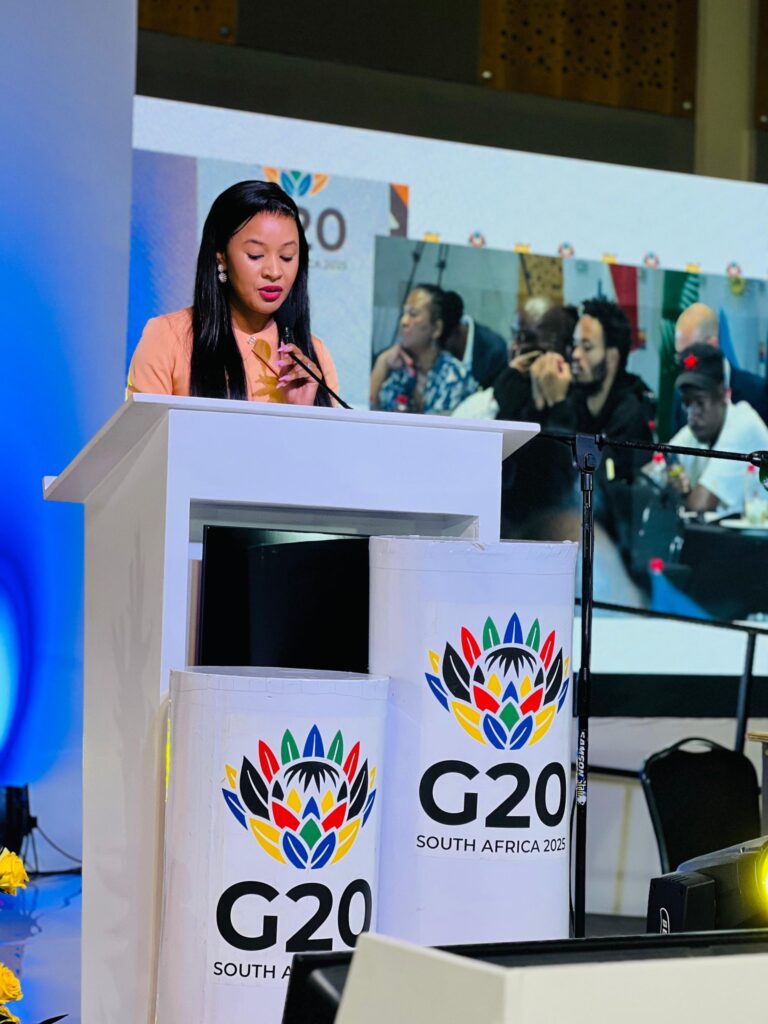
JOHANNESBURG, 20 October 2025 — Male leaders attending the G20 Ministerial Dialogue on Positive Masculinity were urged to adopt institutional reforms that embed respect, care, and accountability. Representing UN Women at the event, Anna Mutavati, Regional Director for East and Southern Africa, positioned gender equality not as an adjunct but as a core pillar of the global G20 agenda.
“Let the legacy of this G20 be a movement of male leaders who invest in gender equality and who drive, together with their female counterparts, institutional transformation fostering respect, care, and accountability for all,” Mutavati said during the session. (UN Women Africa)
From Rhetoric to Institutional Transformation
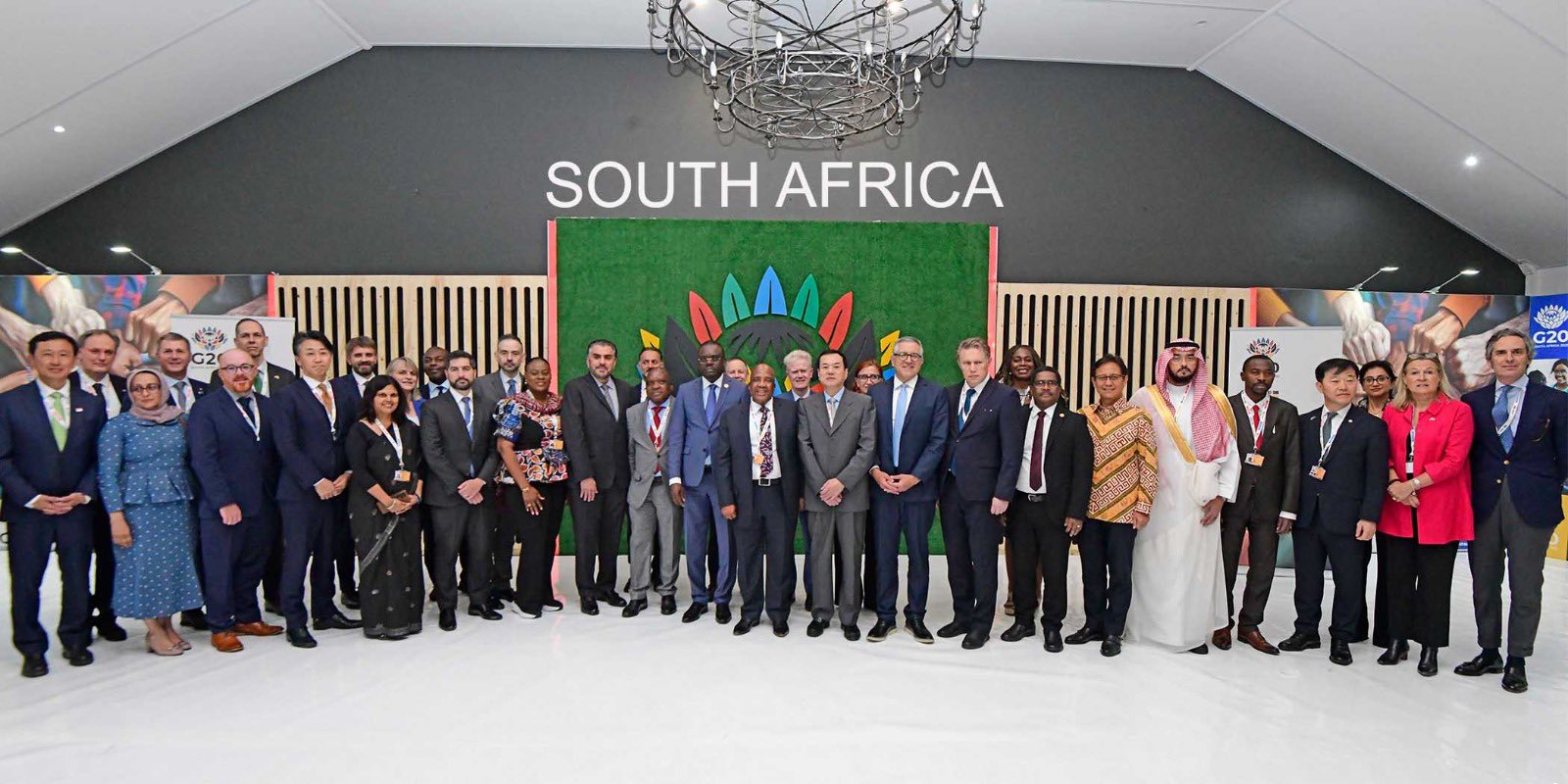
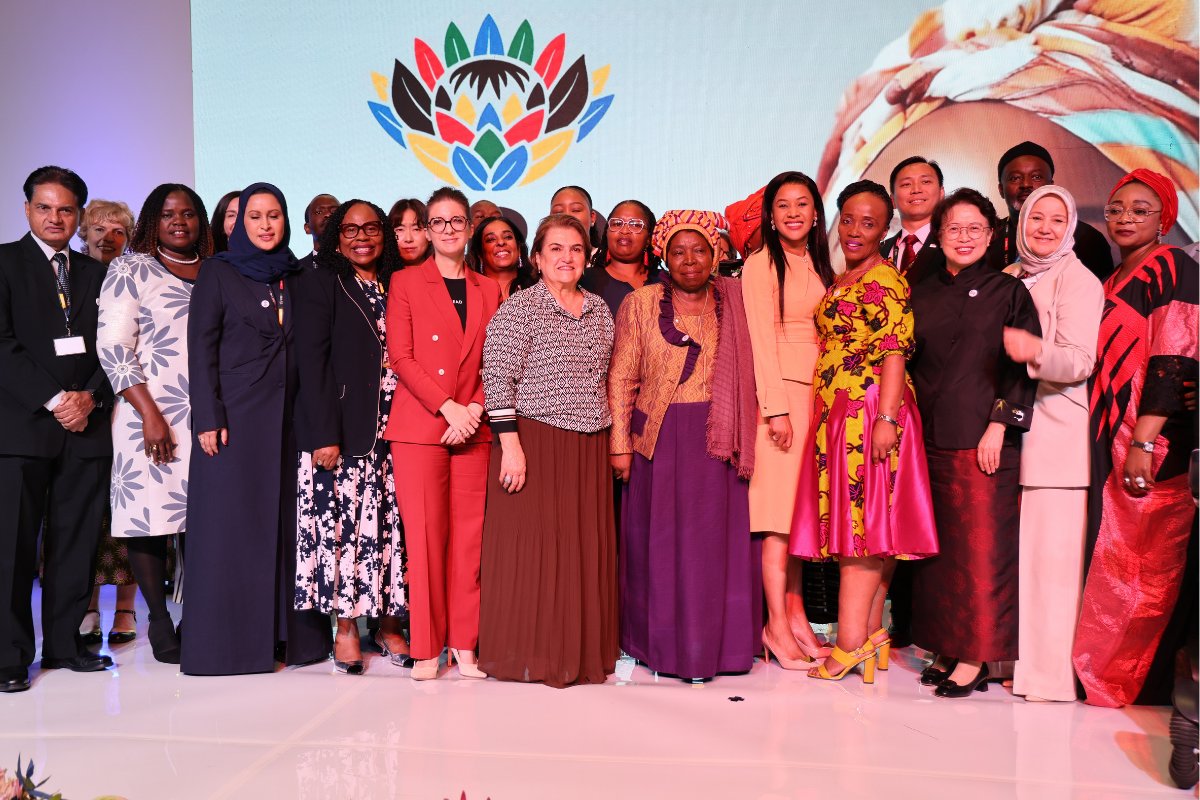
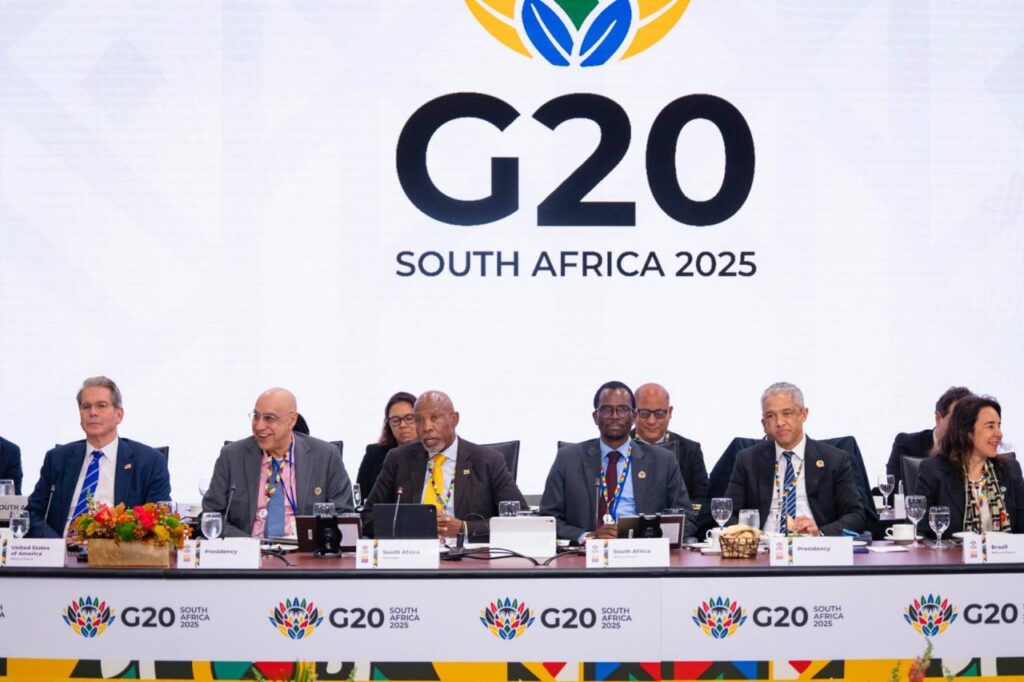
Held under the banner “Bridging Generations, Transforming Masculinities — Culture, Faith and Care in Modern South Africa,” the ministerial dialogue convened government officials, faith leaders, youth advocates, and traditional authorities to examine how entrenched patriarchal norms continue to shape African societies. (South Africa UN)
Mutavati underscored that patriarchal masculinity is not merely a cultural artifact but a systemic barrier to human development. She called for the active engagement of men and boys as allies in dismantling harmful gender stereotypes and advancing shared responsibility in leadership and care.
This approach aligns with UN Women’s global framework on engaging men and boys, which emphasizes community-driven models of behavioral change and policy reform.
Data, Context, and Institutional Momentum
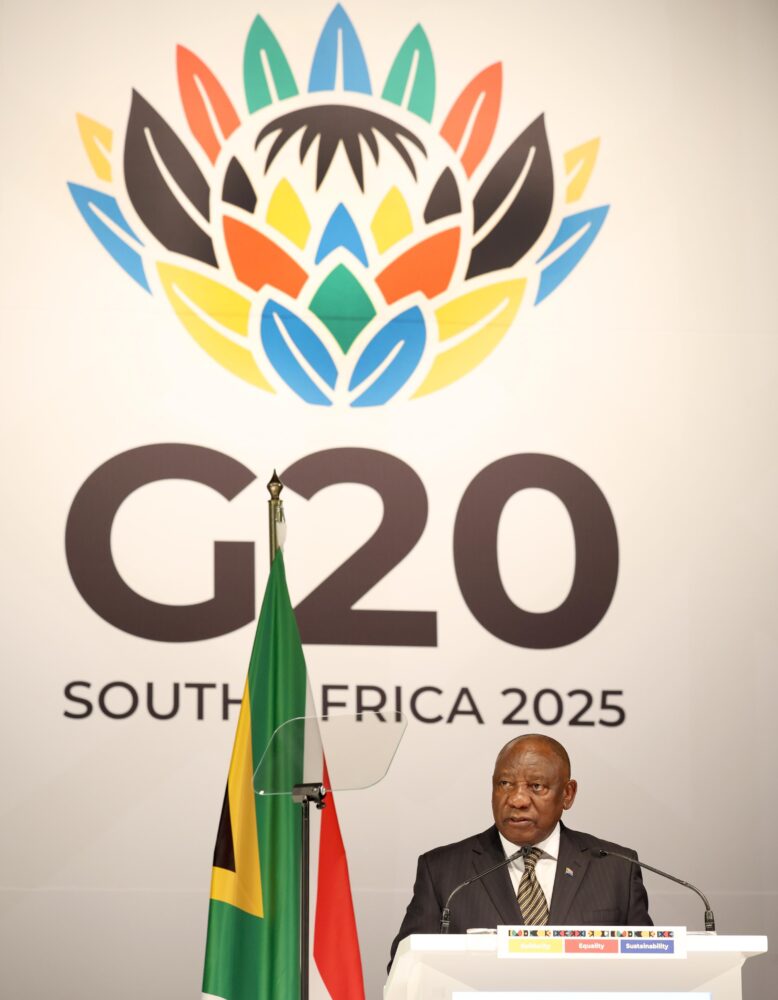
South Africa’s 2025 G20 presidency has placed women’s empowerment and gender-responsive governance at the center of its international agenda. The national frameworks on Gender-Based Violence and Femicide (GBVF) were cited as evidence of institutional progress.
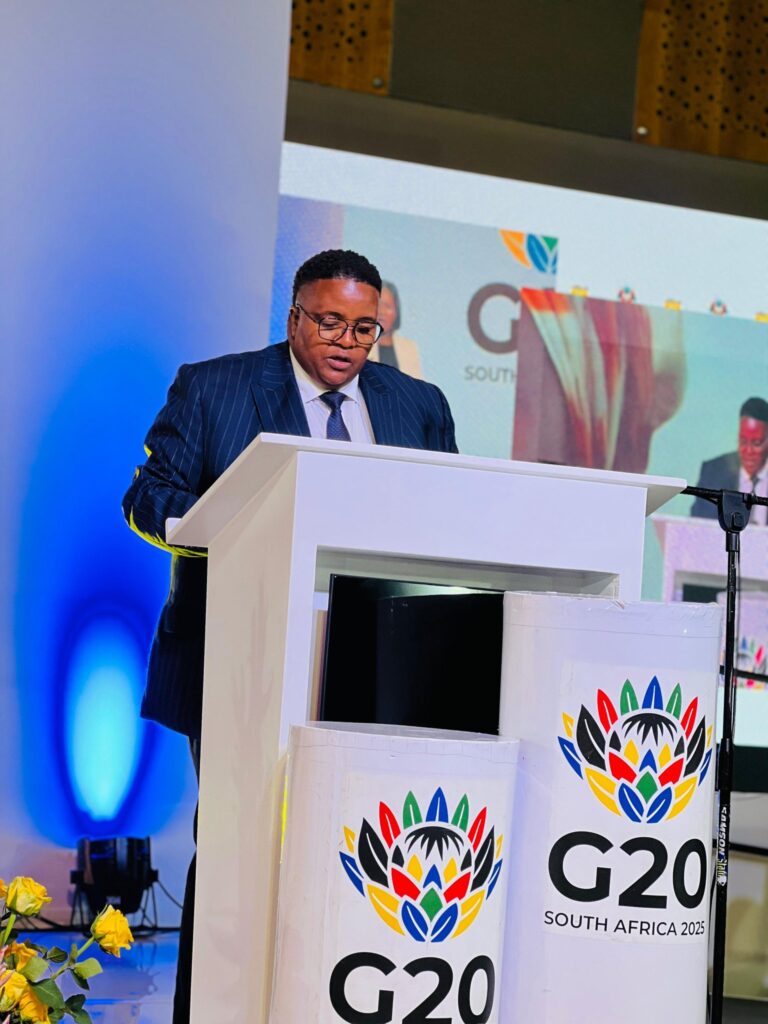
Minister Sindisiwe Chikunga, co-chairing the dialogue, highlighted that the conversation on masculinity must go beyond awareness to structural reform, calling for faith institutions and traditional councils to serve as vehicles for social accountability. (gov.za speech transcript)
The discussion also formed part of the work of the G20 Empowerment of Women Working Group (EWWG), which is finalizing the first-ever G20 Ministerial Declaration on Women’s Empowerment. As of late October, 29 paragraphs had been agreed upon, with 18 still under negotiation, reflecting both progress and ongoing geopolitical divergence over implementation mechanisms.
Calls to Action and Global Implications
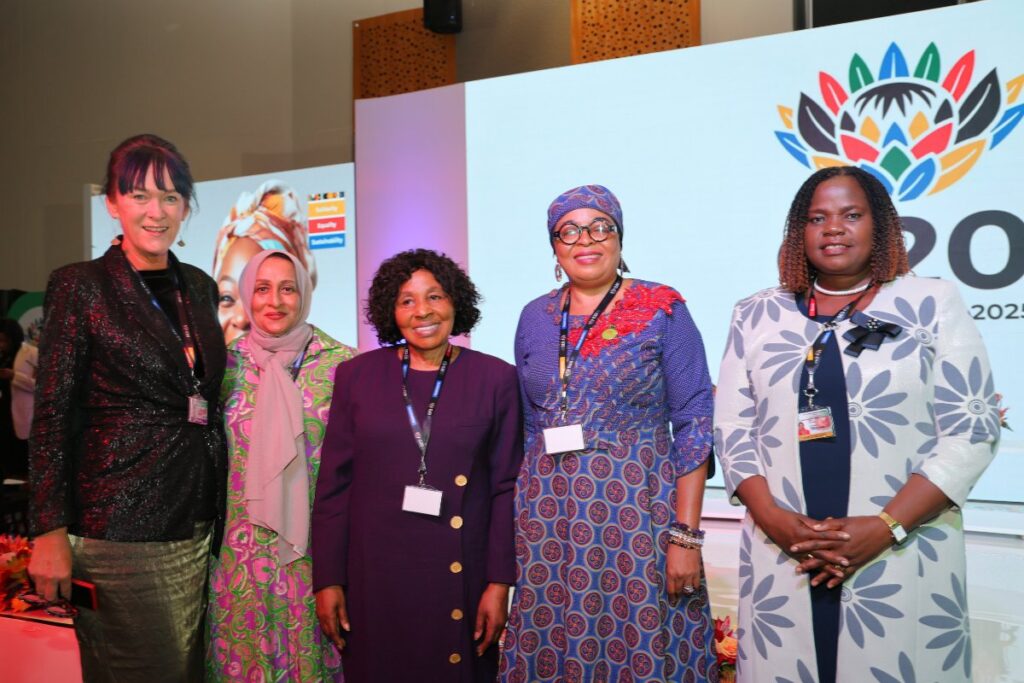
Mutavati’s statement — shared widely across UN Women Africa’s official X account — amplified a central message: gender equality must be co-led by men who are willing to use institutional power to challenge inequality.
She framed this as not only a moral obligation but also an economic imperative, referencing World Bank data showing that closing gender gaps in labor participation could boost global GDP by up to $7 trillion.
If implemented effectively, frameworks on positive masculinity could influence school curricula, workplace codes of conduct, and local governance systems across Africa—embedding equity in law, culture, and everyday life.
From Dialogue to Durable Change
The Ministerial Dialogue on Positive Masculinity stands as a defining moment in how Africa articulates its leadership within the G20 framework. It signals a regional commitment to rethinking masculinity not as domination but as shared humanity and accountability.
As G20 ministers prepare to ratify the 2025 Ministerial Declaration on Women’s Empowerment, the challenge ahead lies in turning dialogue into measurable reform—from policy budgets to institutional accountability.
For observers and civic actors across the continent, this moment demands scrutiny: whether political declarations will yield durable social transformation, or remain aspirational rhetoric. The verdict will rest on the next phase of implementation, monitoring, and public accountability.