Kampala, Uganda — In a landmark achievement for climate action on the continent, Uganda has become the first African country — and the first Least Developed Country (LDC) — to receive a US $31 million payment from the Green Climate Fund (GCF) for verified emission reductions under the REDD+ framework.
The payout, officially approved at the GCF’s 43rd Board Meeting in Songdo, South Korea, recognizes Uganda’s over eight million tonnes of CO₂ equivalent in verified emission reductions achieved between 2016 and 2017 through sustainable forest management, afforestation, and community-based conservation.
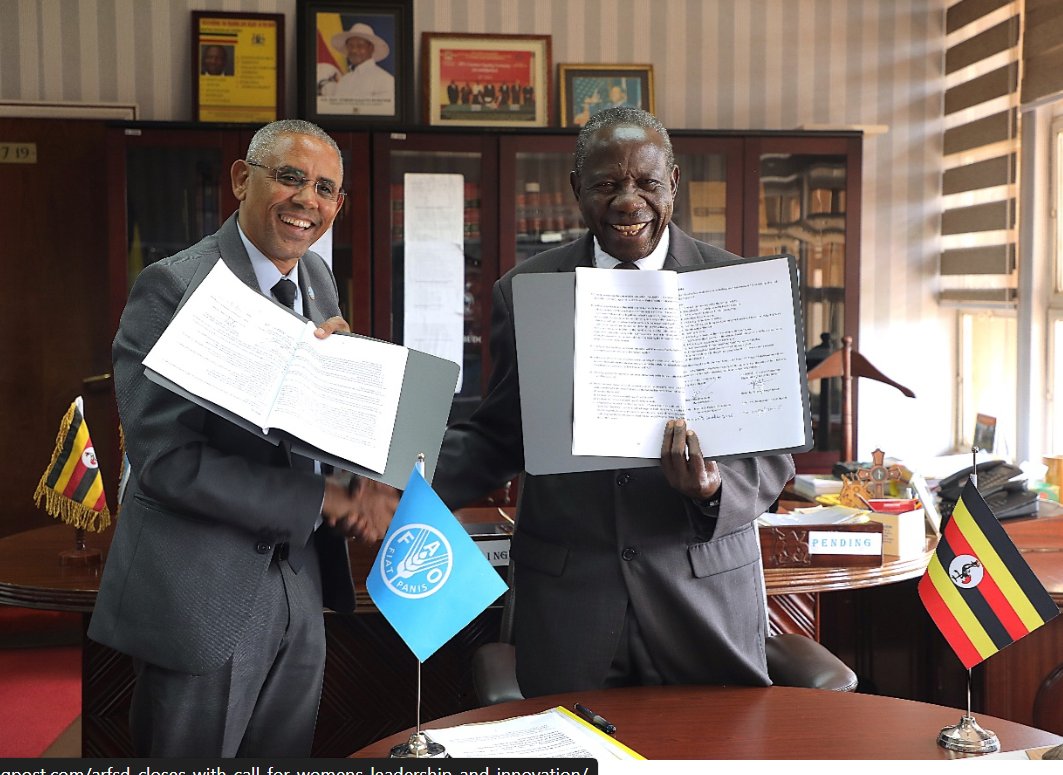
This milestone follows years of capacity-building and technical support led by the Food and Agriculture Organization of the United Nations (FAO), which served as the accredited entity for the initiative.
Significance
Uganda’s forests span approximately 2.36 million hectares, serving as vital carbon sinks and providing critical ecosystem services such as watershed protection, biodiversity conservation, and rural livelihoods. However, widespread deforestation and land conversion for agriculture — particularly in cassava and cattle-rearing regions — have contributed significantly to greenhouse gas emissions.
Through its National REDD+ Strategy, Uganda has made measurable progress in curbing forest loss, promoting community-based reforestation, and improving land tenure security. This progress paved the way for the country’s eligibility for results-based payments, marking a new era of accountability and reward for measurable climate outcomes.
Partnerships and Implementation
The results-based project was co-implemented by the Ministry of Water and Environment of Uganda, with support from the FAO Uganda Office and development partners, including Germany’s Federal Ministry for Economic Cooperation and Development (BMZ), and the GIZ.
According to the FAO’s statement, the funds will be reinvested in programs that promote climate resilience, sustainable forest management, and livelihood diversification — particularly for women, Indigenous peoples, and youth in forest-dependent communities.
“This milestone demonstrates Uganda’s leadership in implementing credible, verifiable climate actions,” noted Edward Kallon, the UN Resident Coordinator for Uganda. “It is a model for other African nations seeking to align national development priorities with global climate finance mechanisms.”
Broader Implications for Africa
Uganda’s success serves as a blueprint for other African nations seeking to tap into climate financing through measurable emission reductions. The achievement reinforces the potential of the Paris Agreement’s Article 5 mechanism, which encourages developing countries to implement forest-based mitigation strategies.
It also builds on momentum from regional initiatives such as the African Forest Landscape Restoration Initiative (AFR100) and the African Adaptation Initiative (AAI) — both aimed at restoring degraded lands and building climate resilience across the continent.