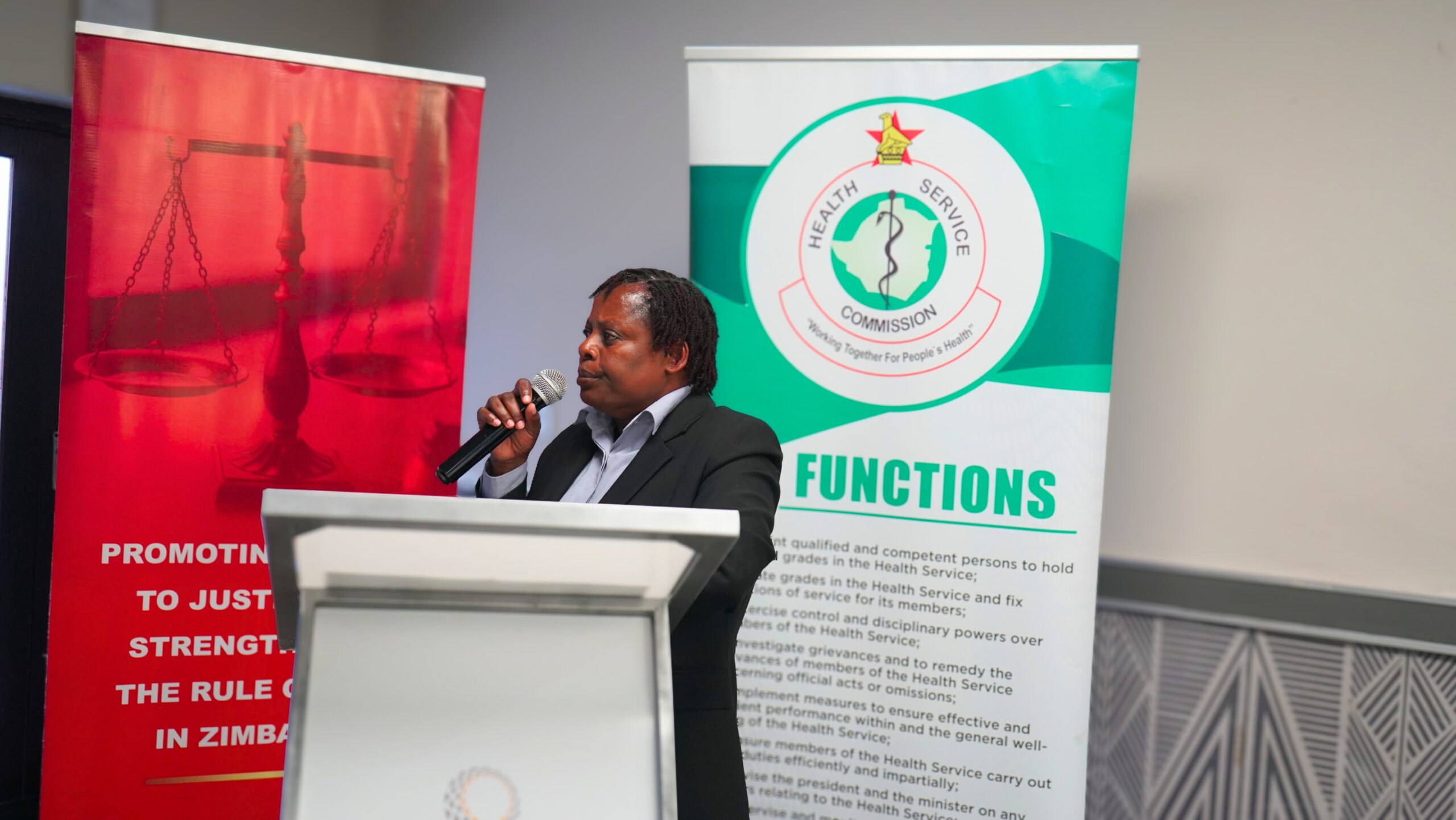
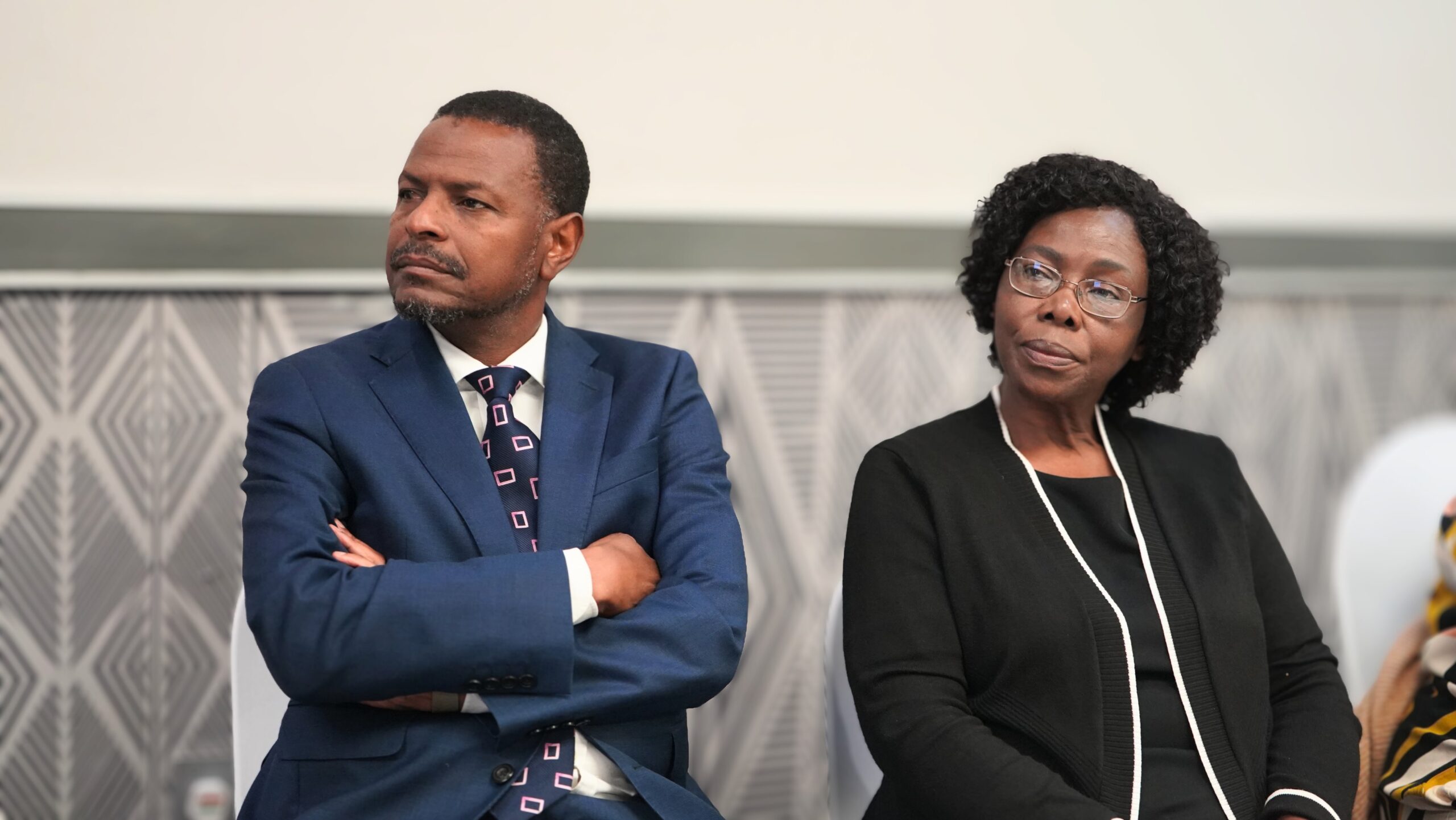
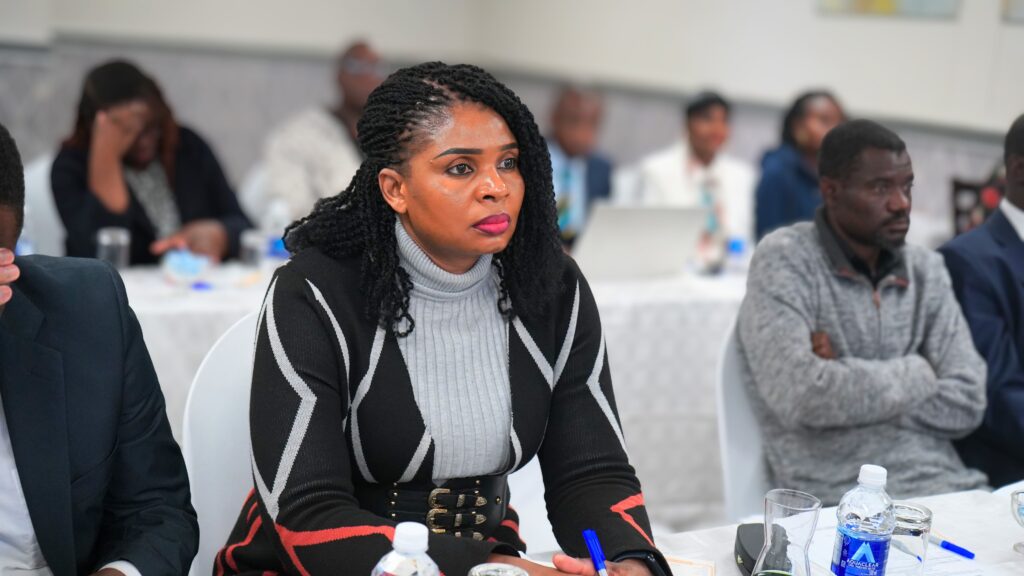
Harare, Zimbabwe — Women and Law in Southern Africa — Zimbabwe (WLSA) is leading a capacity-building workshop with the Health Service Commission (HSC) as Zimbabwe gears up to implement its new 2025 National Gender Policy.
The policy aims to promote equality, inclusion, and gender-responsive governance across public institutions. WLSA says the workshop is part of a broader effort to ensure that the policy’s ambitions translate into real-world change.
Key Themes & Lessons from the Workshop
- Gender-Sensitive Budgeting
Chengetai Kanyangu presented on gender-sensitive budgeting, emphasizing that public budgets must actively address structural inequalities rather than just mention gender.
Zimbabwe has been implementing a gender-responsive budgeting (GRB) framework since 2022, ensuring that all stages of the budget cycle—from planning to execution—are informed by gender-specific goals. In the 2025 national budget, ZiG 196.9 billion was reportedly allocated to programs benefiting women and girls. - Public Sector Gender Mainstreaming
HSC highlighted its progress in institutional gender mainstreaming. Key achievements include:- A 50/50 gender policy for recruitment and graduate trainee intake
- A zero-tolerance stance on sexual exploitation and abuse
- Ongoing gender training for staff, including recognition of gender specialists
- Pursuit of the Gender Equality Seal, reinforcing women’s participation and embedding gender-responsive practices
- Partnerships & Support
The workshop brought together WLSA, HSC, the UK embassy in Zimbabwe, the Foreign, Commonwealth & Development Office (FCDO), and gender activists like Vanyaradzayi Post. This collaboration signals strong political and financial backing.
Why This Matters — Bigger Picture & Challenges
- Persistent Gender Inequality
Despite progress, 39.4% of women in Zimbabwe report experiencing physical violence, and 11.6% have faced sexual violence. Labour force participation remains unequal: about 34% for women versus 53% for men. - Representation & Political Power
Women held only 28.9% of parliamentary seats as of early 2024. Some legal reforms are still needed: despite constitutional protections, women’s representation at local government levels remains below the 50% target. - Better Data & Monitoring
Monitoring has been a challenge due to fragmented and outdated data systems. Zimbabwe is now rolling out a Gender Monitoring & Reporting Framework to track gender equality indicators across government and enable evidence-based policymaking.
WLSA’s workshop with HSC is more than a training event — it signals that Zimbabwe’s National Gender Policy 2025 could move from paper into practice. Real change will require sustained political will, consistent financing, and strong data systems. If Zimbabwe can back its policy with action, it may finally start closing the gaps that have held women back for too long.