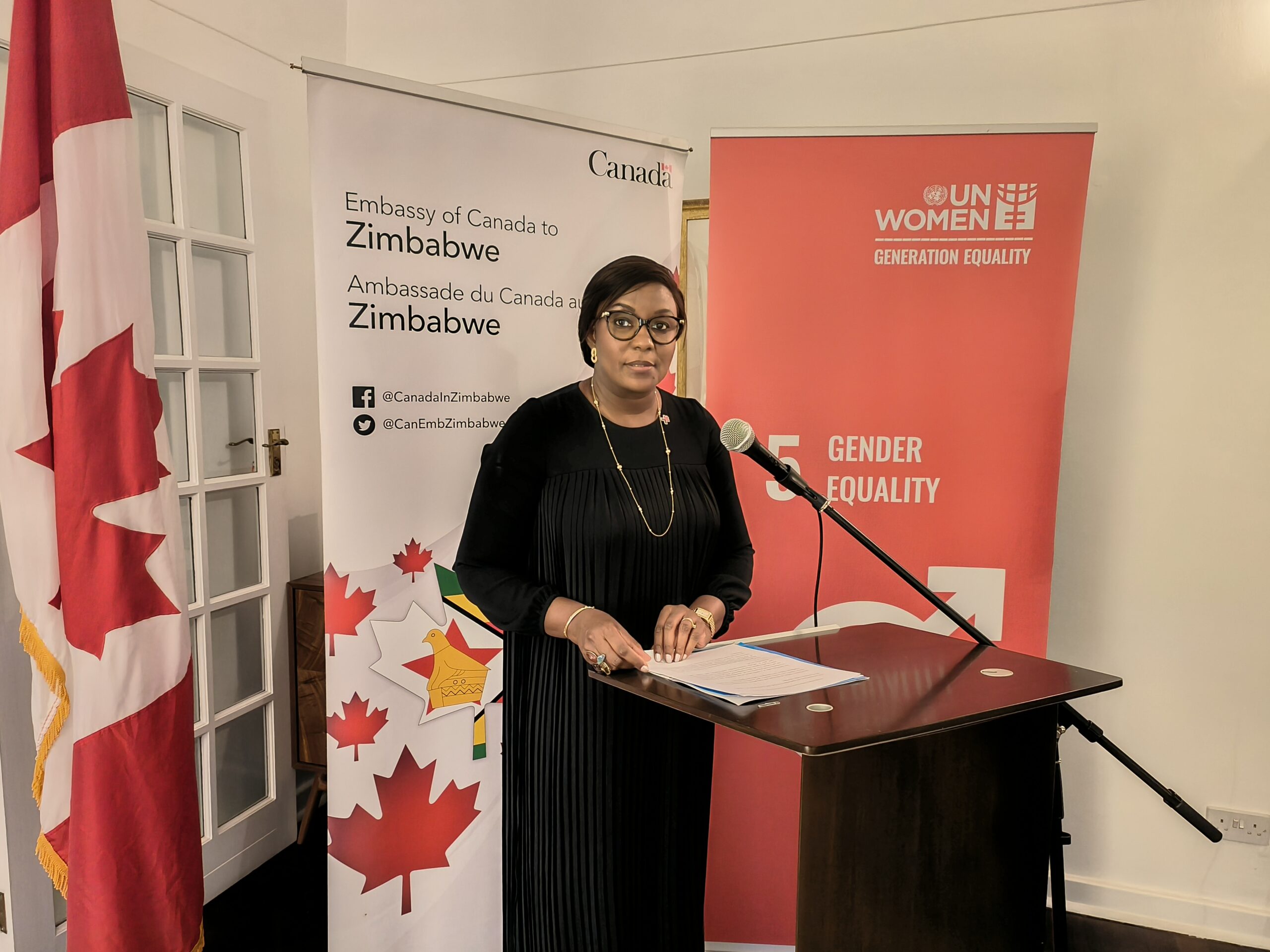
Zimbabwe’s gender-equality agenda gained renewed momentum this week as UN Women Zimbabwe and the Embassy of Canada hosted a high-level HeForShe reception in Harare, bringing together diplomats, youth leaders, civil society organizations, and government stakeholders. The event reinforced a widening national consensus: gender equality is not an accessory to development but a structural requirement for long-term progress.
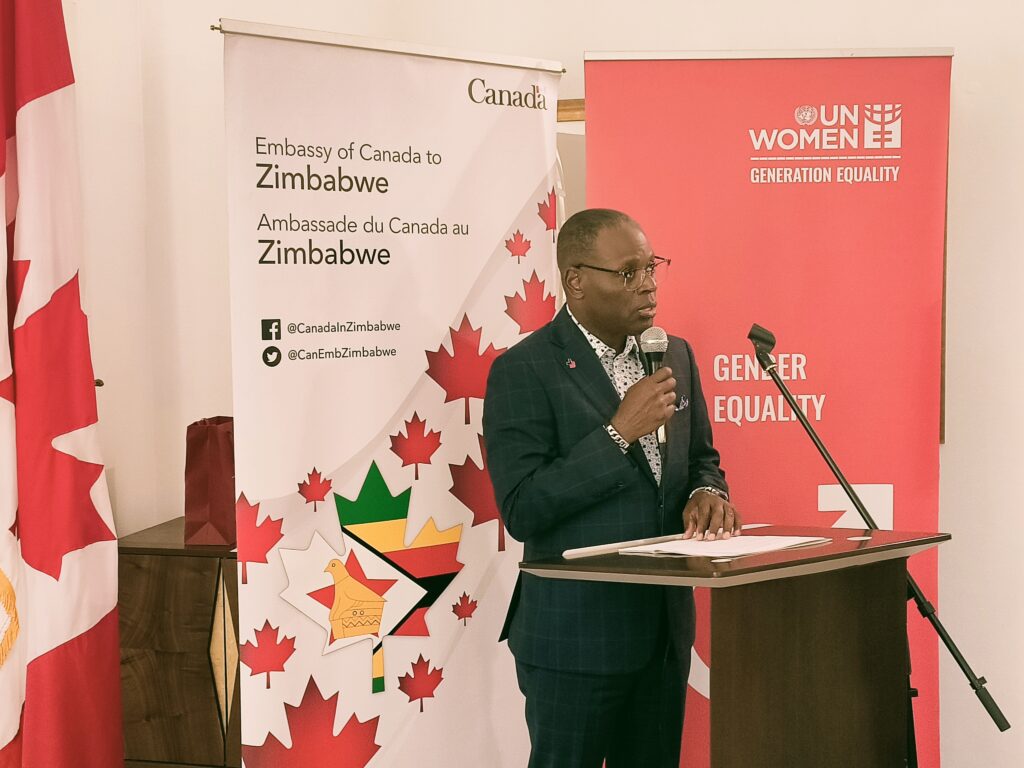
Canadian Ambassador H.E. Adler Aristilde, recently appointed co-chair of the national campaign, reaffirmed Canada’s commitment to gender justice through its long-standing Feminist International Assistance Policy. This policy framework places women’s rights and equity at the center of Canada’s global development cooperation, reflecting a shift toward inclusive foreign policy.
UN Women Zimbabwe highlighted advancements made through its programs on gender-responsive governance, supported by ongoing national efforts to develop a comprehensive Gender Equality Law. According to UN Women’s official country progress notes, legislative reform remains the most sustainable pathway to accountability and protection.
Youth leadership featured prominently in the discussions. Institutions across the country continue to expand HeForShe Clubs, which mobilize students to lead evidence-based conversations on gender, power, and civic participation. This youth-led model aligns with the global movement’s wider push to deepen community-level transformation through research-driven activism.
The reception also aligned with the work of Zimbabwe’s HeForShe Campaign Group, a diplomatic and institutional coalition that integrates gender inclusion into development cooperation planning. The group’s mandate is rooted in HeForShe’s global framework, which positions men and boys as essential partners in dismantling structural inequalities.

Ambassador Aristilde urged institutions to shift from symbolic commitment to measurable implementation, emphasizing equal representation in public service, equitable access to education, and gender-inclusive corporate governance. His remarks reflect the priorities of Sustainable Development Goal 5, which calls for the elimination of structural barriers to women’s empowerment.
The reception ultimately signalled a wider shift in Zimbabwe’s governance and diplomatic landscape. With coordination from UN Women, Canada, and local institutions, the country is working to embed gender equality into policy, leadership, and development programs, bridging global frameworks with national realities.