
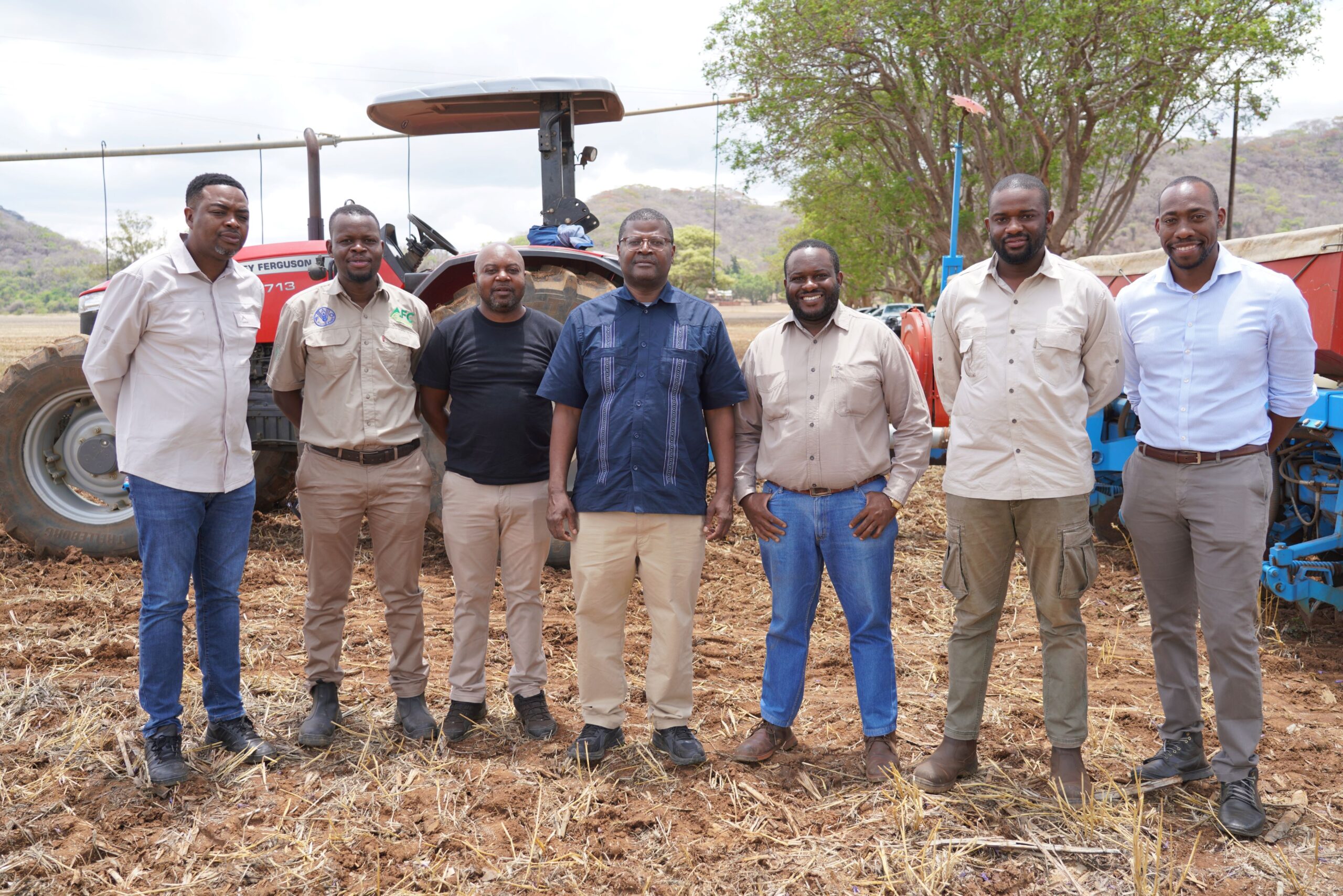
A medium-scale irrigation enterprise in Makonde District is demonstrating how coordinated agricultural investment can raise productivity, strengthen rural employment, and stabilise national food supplies. Farmer Tichaona Mapfoche, 43, oversees a diversified operation producing wheat, maize and potatoes on a 1 200-hectare estate supported by irrigated infrastructure drawing from the Angwa River and a dual power system combining grid electricity with generators to maintain production during outages.
For years, Mapfoche’s principal constraint was access to reliable, high-quality inputs. Seed shortages and fertiliser gaps often delayed planting cycles and reduced yields. His position shifted in 2023 when he joined the USD 20 million Zimbabwe Emergency Food Production Project, financed by the African Development Bank and implemented by the Food and Agriculture Organization of the United Nations in partnership with AFC Land and Development Bank. Seasonal support from the project’s Seed Revolving Fund enabled him to secure timely inputs and plan production with greater certainty.
The gains were evident during the 2024 winter wheat season. With USD 48 141.84 in financing from the AfDB facility, he planted 133 hectares and delivered 667 metric tonnes, achieving an average yield of five tonnes per hectare. The performance strengthened his repayment capacity and demonstrated the value of pairing affordable credit with technical oversight.
Mapfoche’s farm has also become a source of employment and a conduit for shared growth in Makonde. Forty permanent staff members and 25 seasonal workers support operations throughout the year. In addition, joint ventures with 270 smallholder farmers across 11 farms have expanded access to finance, technology and improved agricultural practices, resulting in higher incomes and stronger household resilience.
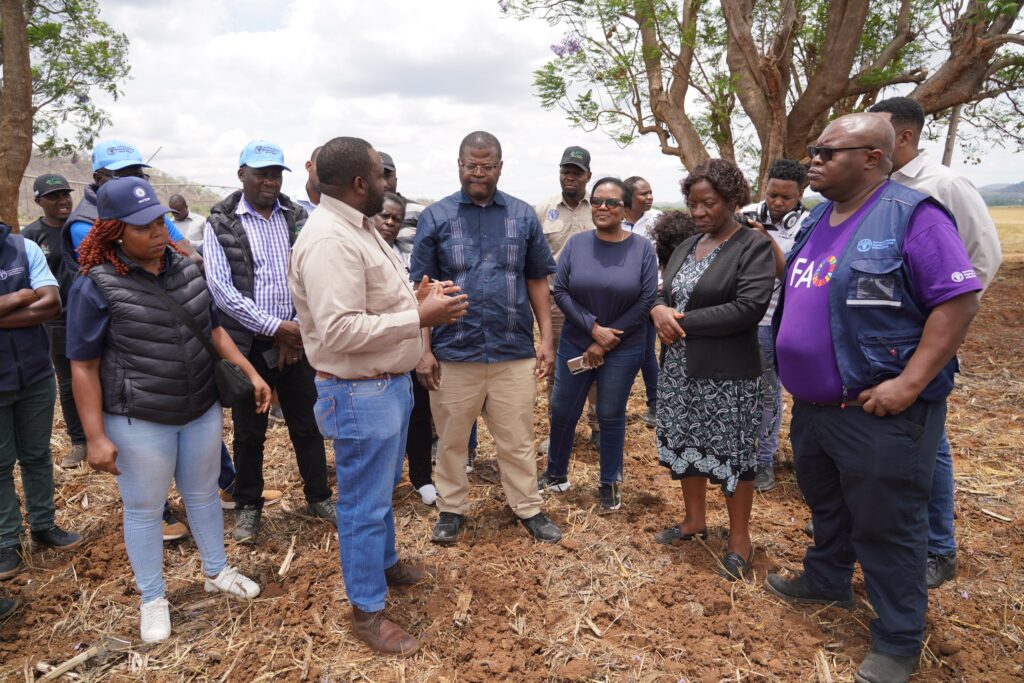
A recent field mission by AfDB Executive Director for Southern Africa (Group II), Eugenio Maria Paulo, highlighted the progress. During a visit to the irrigated maize fields, he noted that farmers supported under the programme are posting significant improvements and underscored the importance of aligning financial support with technology and capacity-building. FAO’s ZEFPP project coordinator, Zwelo Ndebele, emphasised the programme’s ability to secure timely inputs despite global supply-chain pressures, while AFC Land and Development Bank senior manager Lightwell Chapungu pointed to the Seed Revolving Fund’s role in strengthening a cohort of creditworthy farmers capable of contributing to Zimbabwe’s long-term food security.

Mapfoche’s enterprise illustrates the potential of medium-scale irrigated agriculture when supported by coherent investment and predictable input supply. It also reflects the wider impact of the Zimbabwe Emergency Food Production Project, which continues to bolster wheat production, enhance resilience among participating farmers and reinforce national food-security objectives.
Looking ahead, Mapfoche remains focused on expanding output and deepening partnerships. His experience aligns with a broader trend across Zimbabwe, where better-organised financing, upgraded irrigation systems and improved input distribution are central to building a more reliable and self-sustaining agricultural sector.