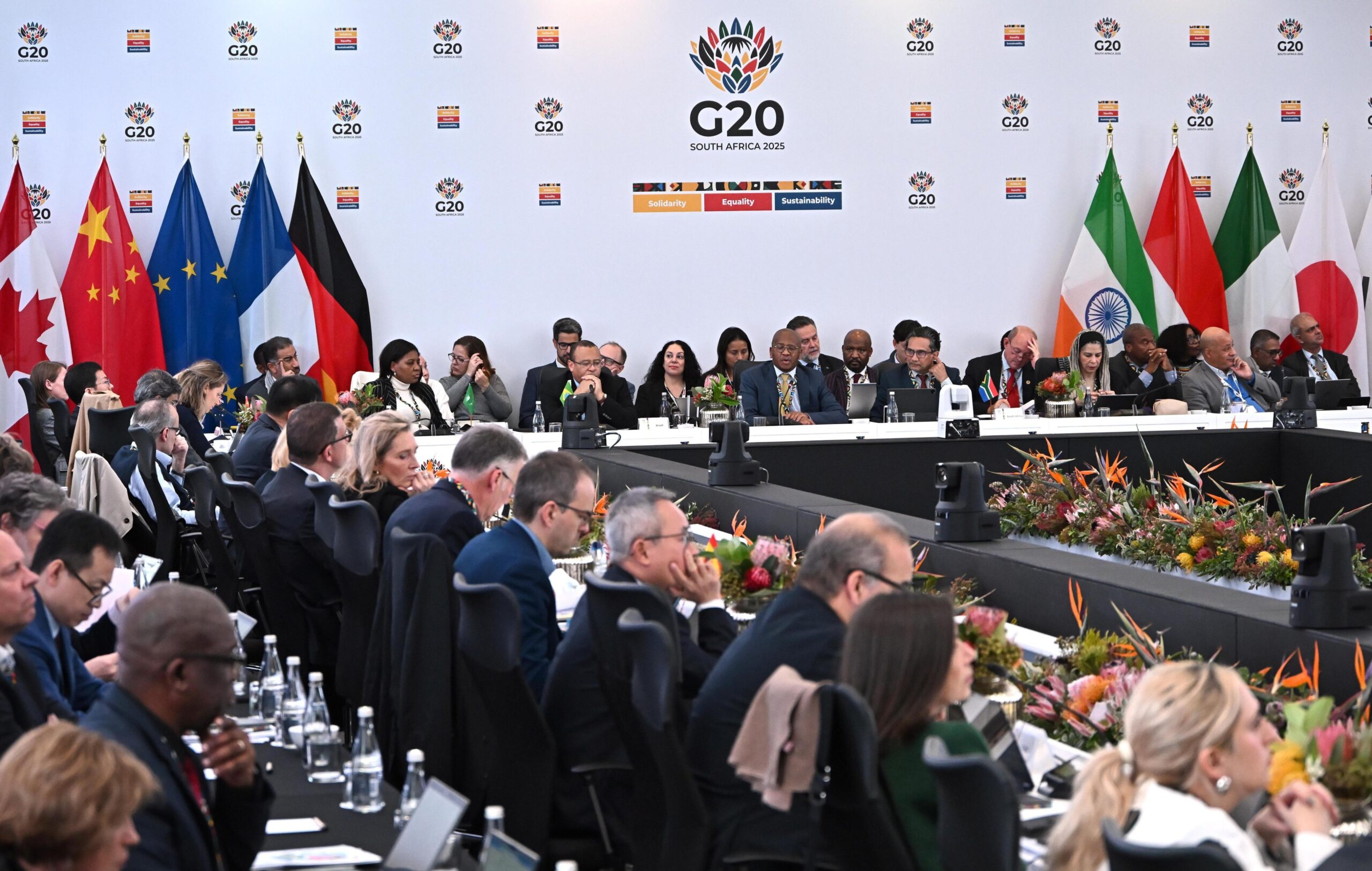
The G20 Sherpa Meeting opened today in Gauteng, marking an important moment in South Africa’s year as G20 President. The gathering brings together the personal representatives of world leaders, known as Sherpas, who guide policy negotiations and shape the summit agenda.
The meeting sits within the two-track structure that defines the G20. The Sherpa Track, led by country representatives, manages broad policy issues such as trade, climate, digital inclusion, and global development. South Africa’s Sherpa, Director-General Zane Dangor, leads this work through the Sherpa Track framework, supported by two Sous-Sherpas.
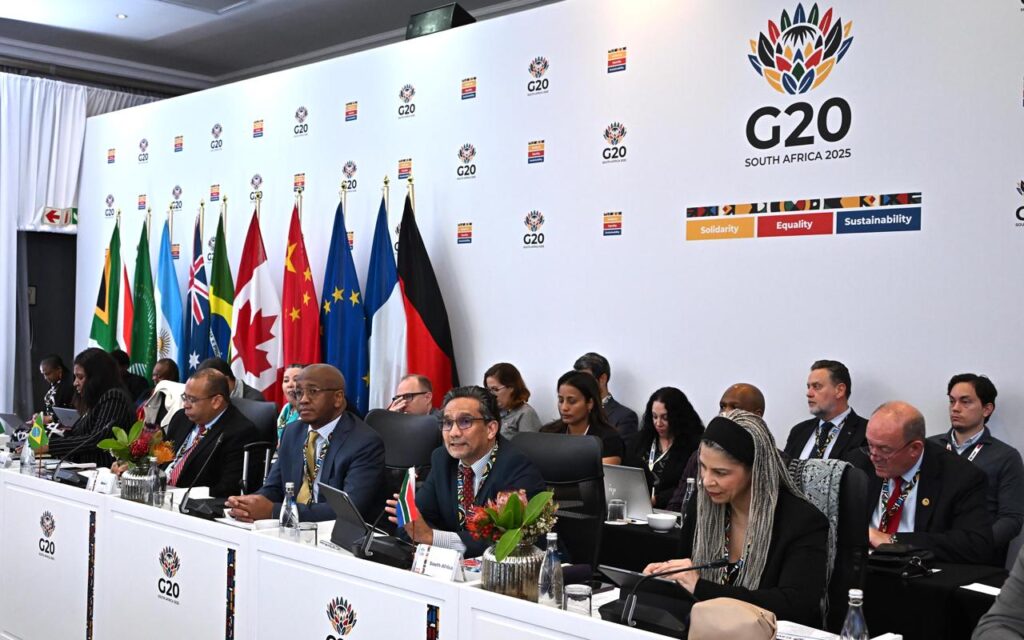
Running alongside it is the Finance Track, where finance ministers and central bank governors address global macroeconomic matters. These include financial regulation, development finance, global taxation, and infrastructure. The structure and purpose of the Finance Track show how the G20 balances political and technical priorities, with both tracks meeting jointly when major themes overlap.
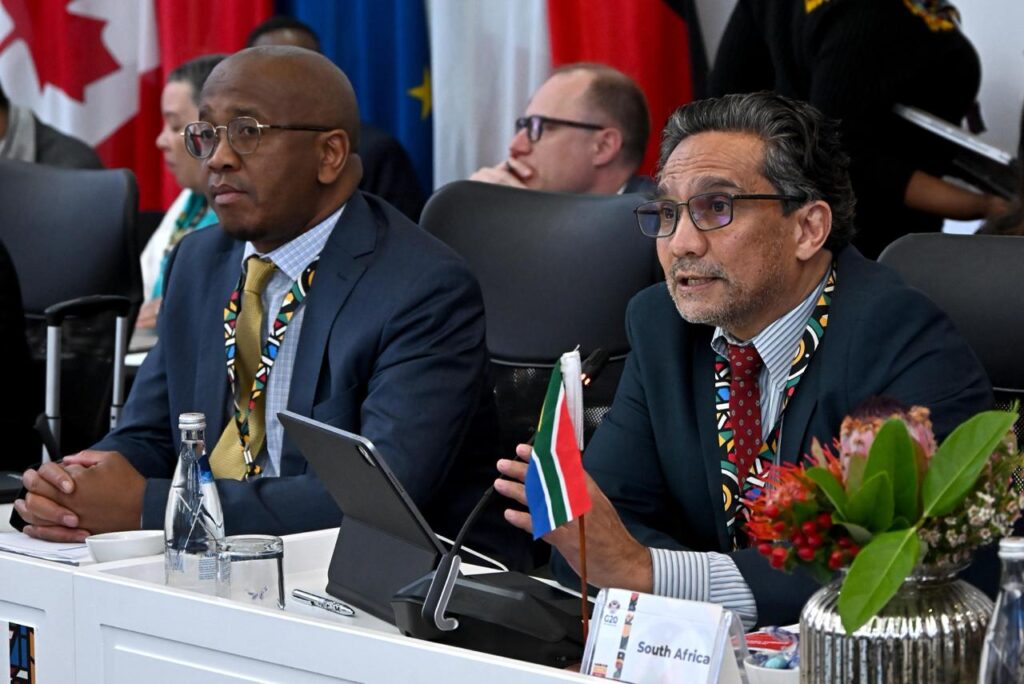
The broader context of this work is South Africa’s rotating G20 Presidency, built on themes of solidarity, equality, and sustainable growth. Details on the presidency’s priorities are outlined in the official G20 Presidency overview. The meeting in Gauteng forms part of a year-long series of negotiations and consultations designed to build consensus ahead of the Leaders’ Summit, where many of these discussions will be finalised.
As the Sherpa process advances, it will help shape the global agenda on development cooperation, climate finance, and economic reform—areas at the heart of South Africa’s vision for a more balanced and responsive global system.