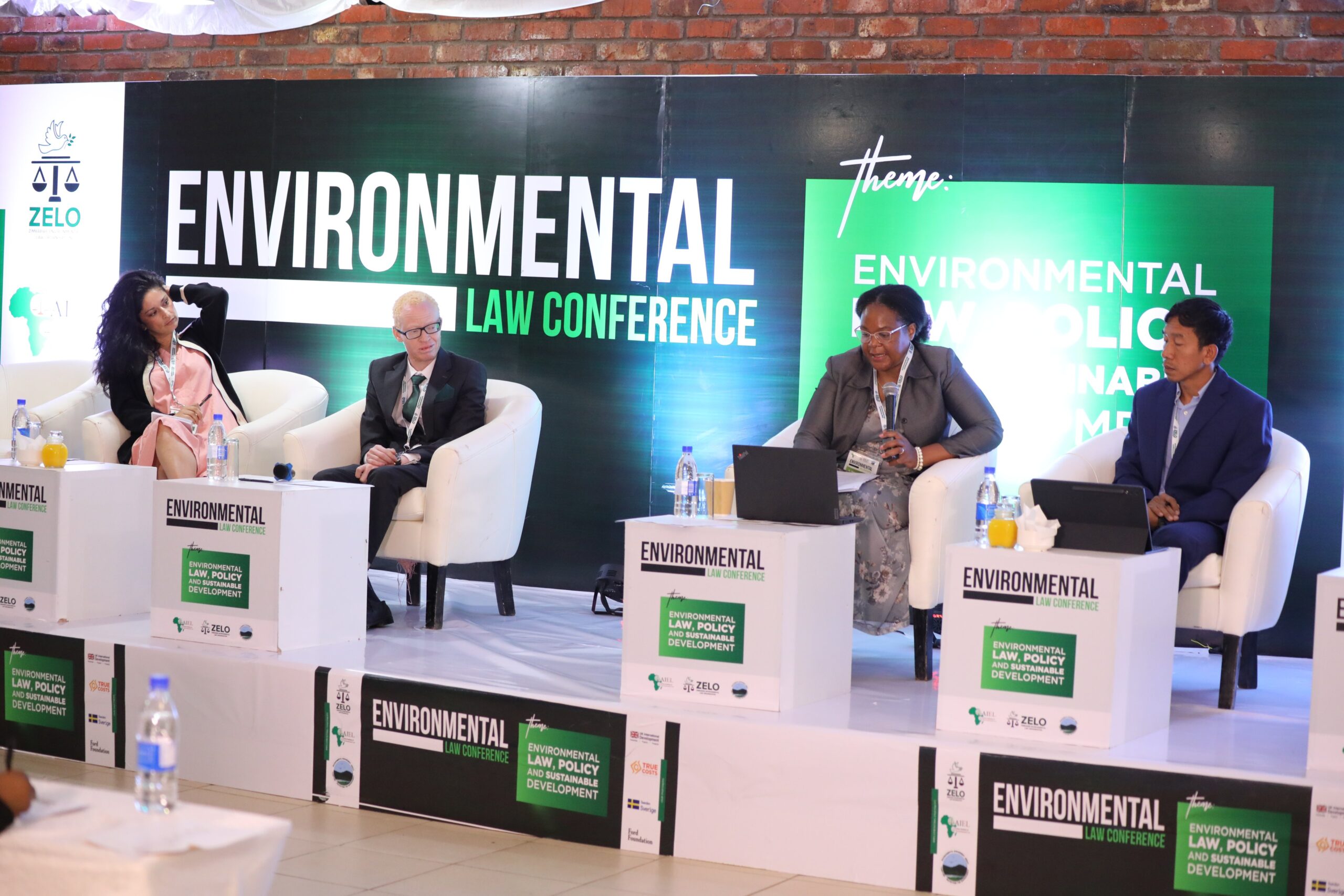
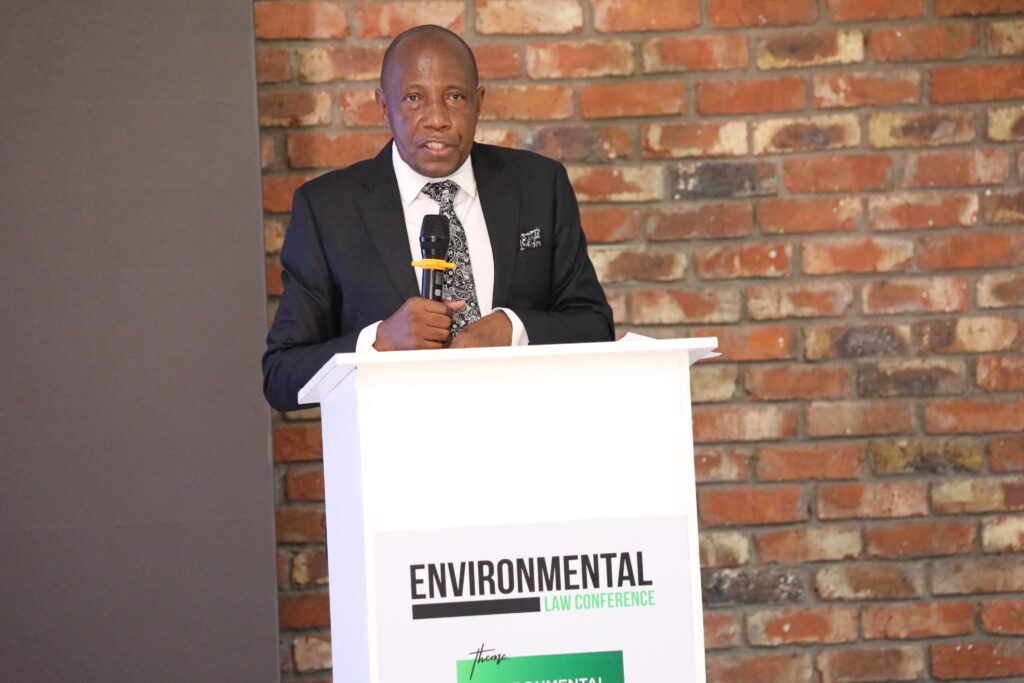
HARARE—Zimbabwe opened its first national environmental law conference on 1 November, bringing together regulators, legal scholars, civil society, and international institutions to examine how the country’s legal framework can confront the escalating “triple planetary crisis” of climate change, biodiversity loss, and pollution. The event was co-hosted by the Zimbabwe Environmental Law Association (ZELA), the Environmental Management Agency (EMA) and the Africa Institute of Environmental Law.
Central to the discussions was the need to modernize statutes so they reflect the constitutional right to a healthy environment, a principle that ZELA has repeatedly underscored in its calls for comprehensive reform of outdated wildlife laws, as highlighted in The Environment’s report on ZELA’s push for wildlife law reform (click: wildlife law reform). Delegates also revisited ZELA’s longstanding advocacy for a dedicated Climate Change Act, detailed in its analysis titled Urgent Need for a Climate Change Act, which warns that fragmented legislation undermines national climate resilience.

A major institutional reform proposal under consideration is the establishment of specialised environmental courts, a measure the EMA has publicly encouraged. This position was reported in NewsDay’s coverage on the call for environmental courts, which notes that ordinary courts lack the technical capacity to efficiently adjudicate environmental harm. ZELA’s regional analysis on specialized environmental tribunals also outlines how other African jurisdictions have strengthened enforcement by creating green benches.
Speakers emphasised the importance of rights-based governance and public participation mechanisms. ZELA’s 2023 progress review in The Environment highlighted gains in environmental governance, including the growing integration of sustainability principles into public budgeting, documented in its report on environmental governance progress. However, delegates stressed that Zimbabwe still lacks consistent, accessible channels for communities to challenge extractive activities, contest pollution, or demand compliance with environmental rights.
The conference also called for stronger corporate accountability. Panelists argued that voluntary ESG reporting is insufficient without enforceable standards. This concern is supported by ZELA’s research on ESG accountability, which notes that affected communities often have limited legal recourse when environmental liabilities arise.
International alignment featured prominently in the dialogue. Broadcasters and regional platforms have recently covered Zimbabwe’s preparations for upcoming global environmental processes, including ZBC’s report on the unified African green agenda, underscoring the need to harmonise domestic legislation with regional and global commitments.
Despite optimism, participants warned of persistent risks: fragmented environmental statutes that create overlapping mandates, technical capacity shortages among judges, lawyers, and regulators, and inadequate funding for enforcement. The conference concluded with a clear roadmap—drafting a Climate Change Act, establishing specialized courts, strengthening mandatory ESG regulation, building legal capacity, and embedding public participation into environmental governance.
The inaugural Zimbabwe Environmental Law Conference marks a turning point in the country’s environmental governance trajectory. If the proposed reforms gain legislative momentum, Zimbabwe could emerge as a regional leader in environmental rule of law—offering communities stronger legal protections against pollution, ecological degradation, and climate-related risk.