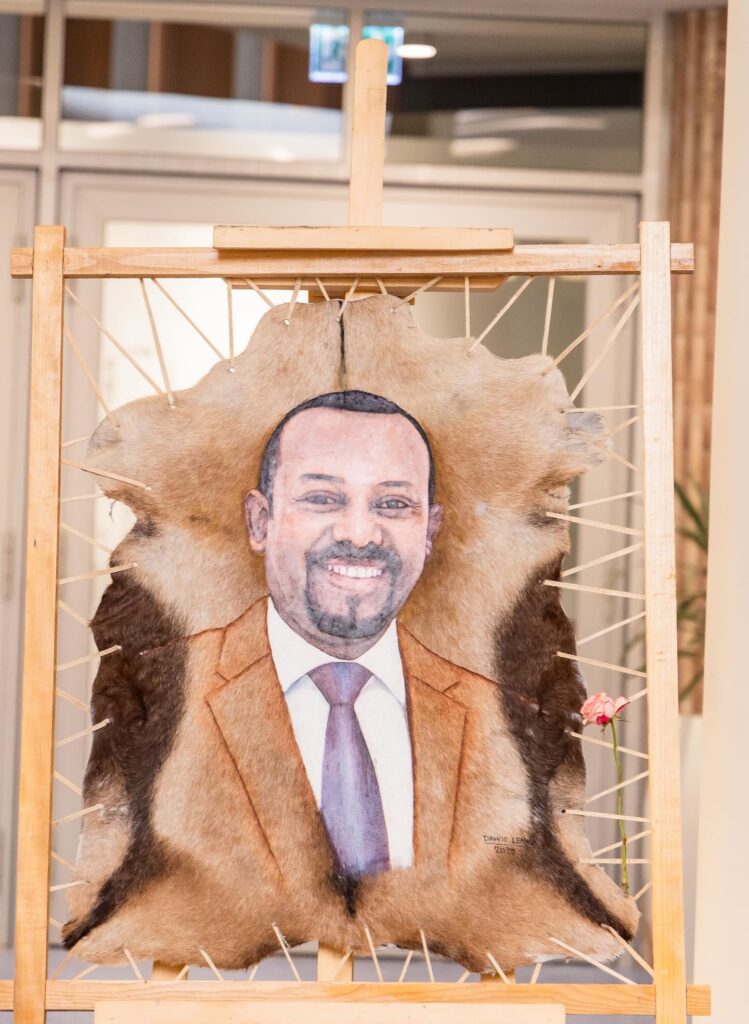
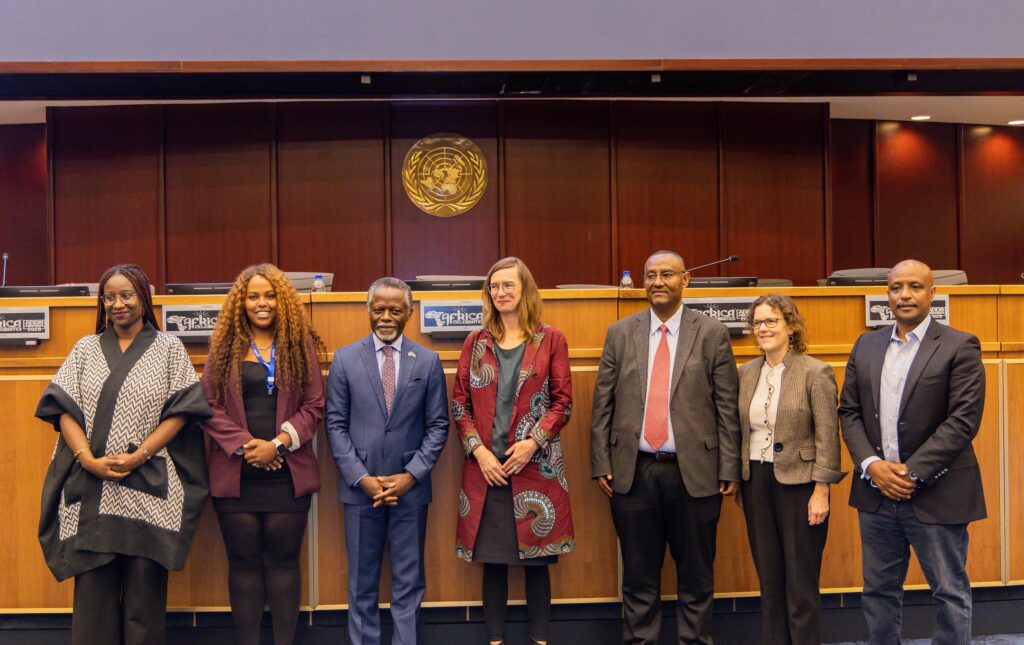
The halls of the United Nations Economic Commission for Africa (UNECA) in Addis Ababa have become the stage for a profound cultural dialogue with the opening of the Africa Art Installation, a central feature of the Africa Celebrates 2025 programme. The exhibition, which brings together artists from across the continent and the diaspora, uses the language of visual art to interrogate justice, memory, and the unfinished project of African liberation.
Hosted within the historic ECA complex, a site long associated with post-independence continental diplomacy, the installation positions art not as ornamentation, but as testimony. Under the curatorial theme “Justice Through Art and Culture,” participating artists engage the intersections of identity, restitution, and representation — framing art as both an archive of trauma and a tool for reimagining African futures.
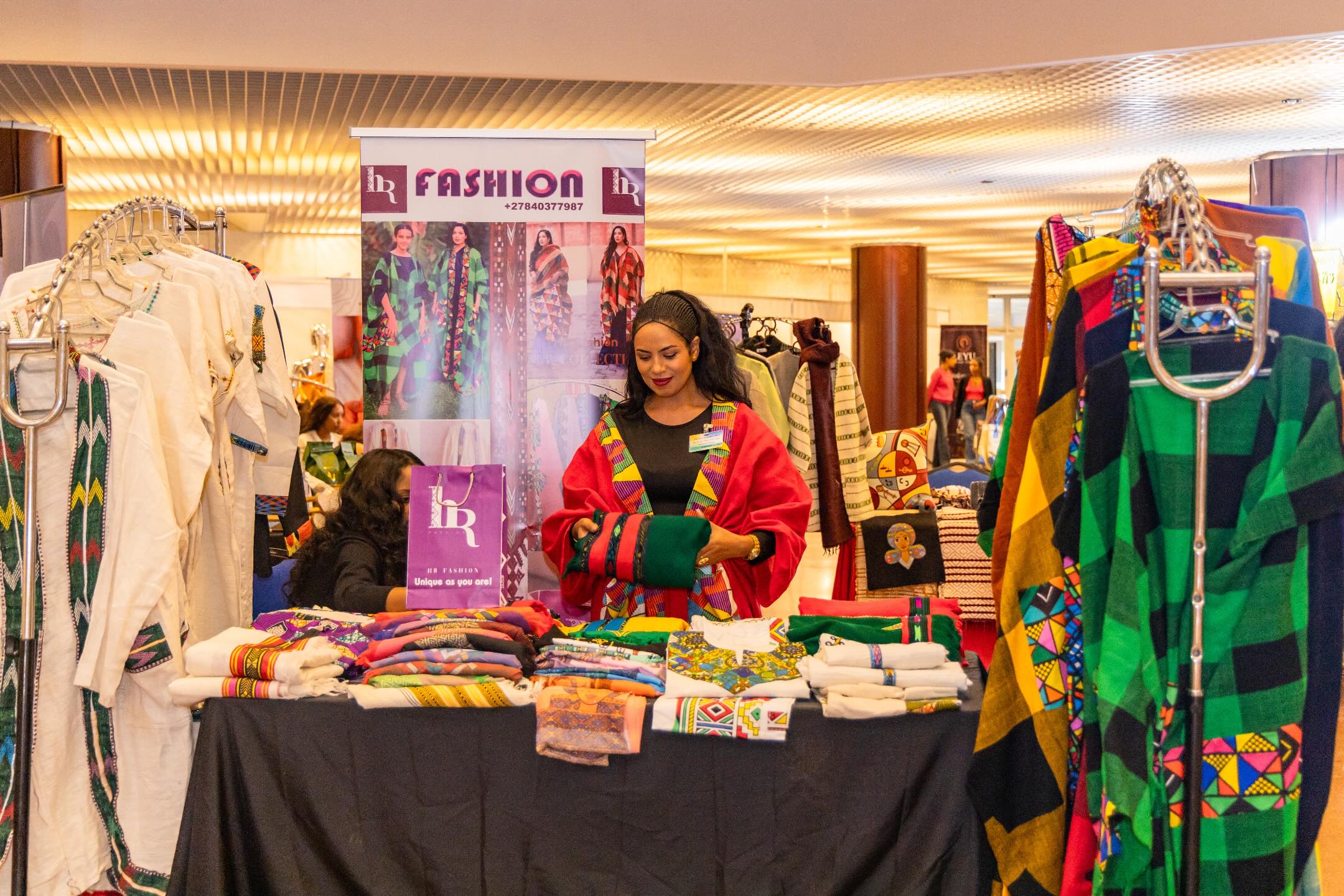
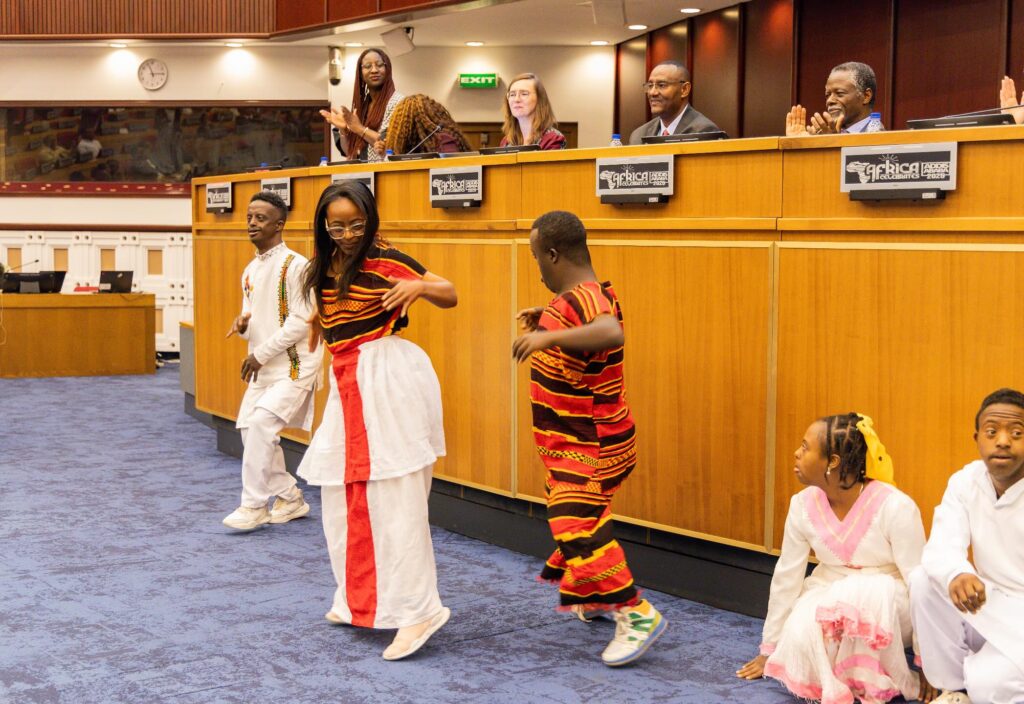
The installation forms part of Africa Celebrates, a multidisciplinary festival that integrates fashion, trade, music, and policy into one continental narrative of innovation and heritage. This year’s edition, held in collaboration with the African Union Commission, extends the event’s scope beyond creative expression to include civic and political consciousness. It situates art within Africa’s ongoing struggle for equity — across economies, institutions, and international cultural discourse.
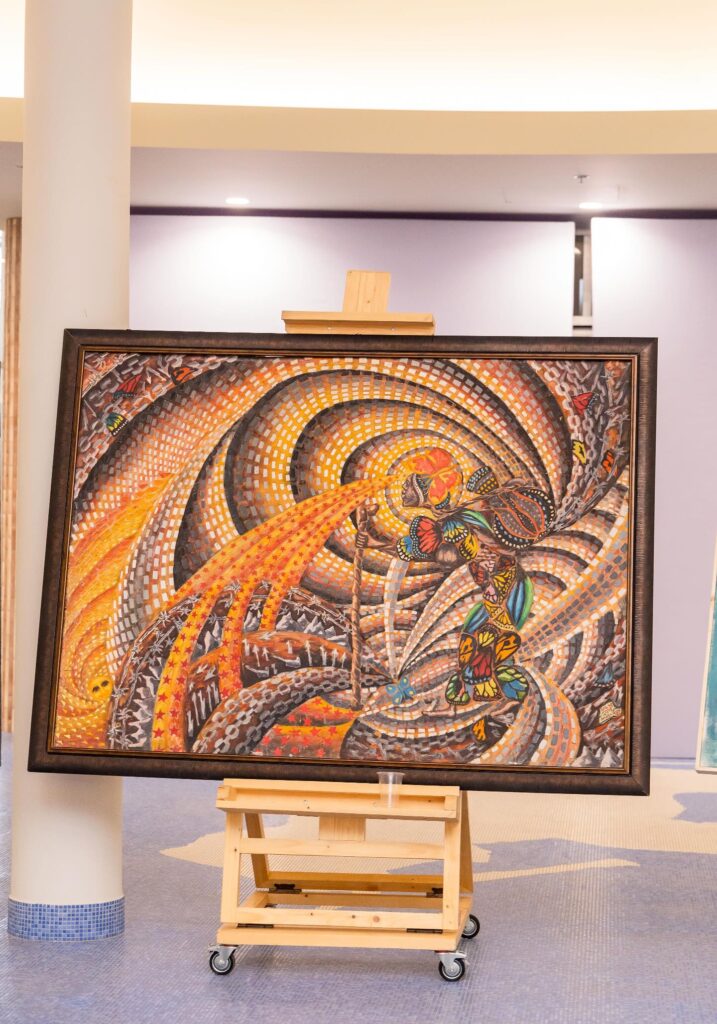
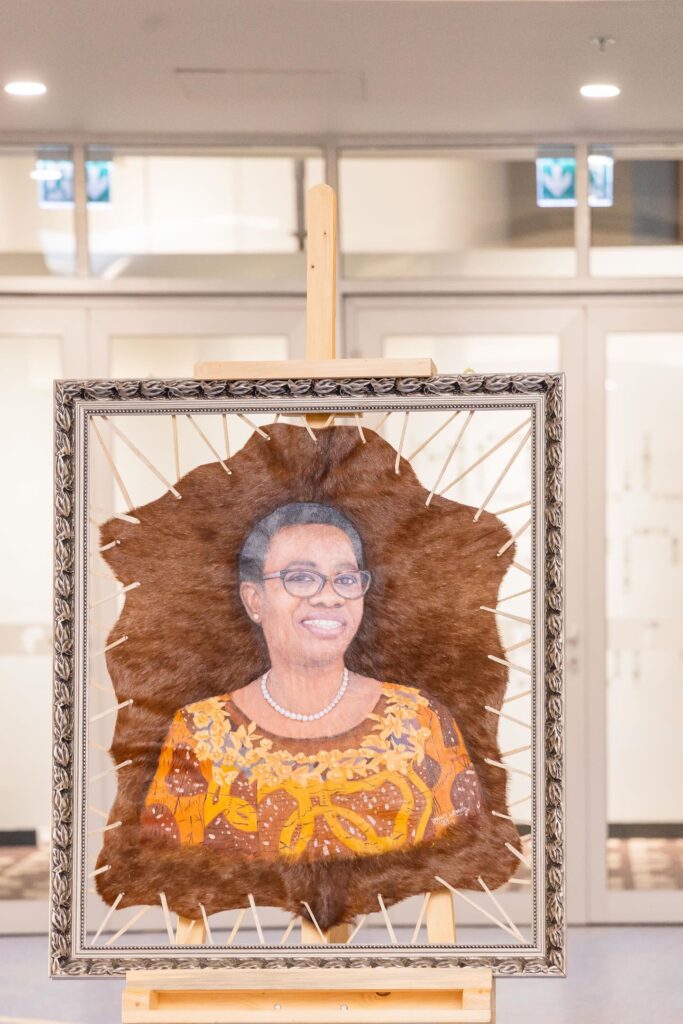
Art as a Forum for Justice
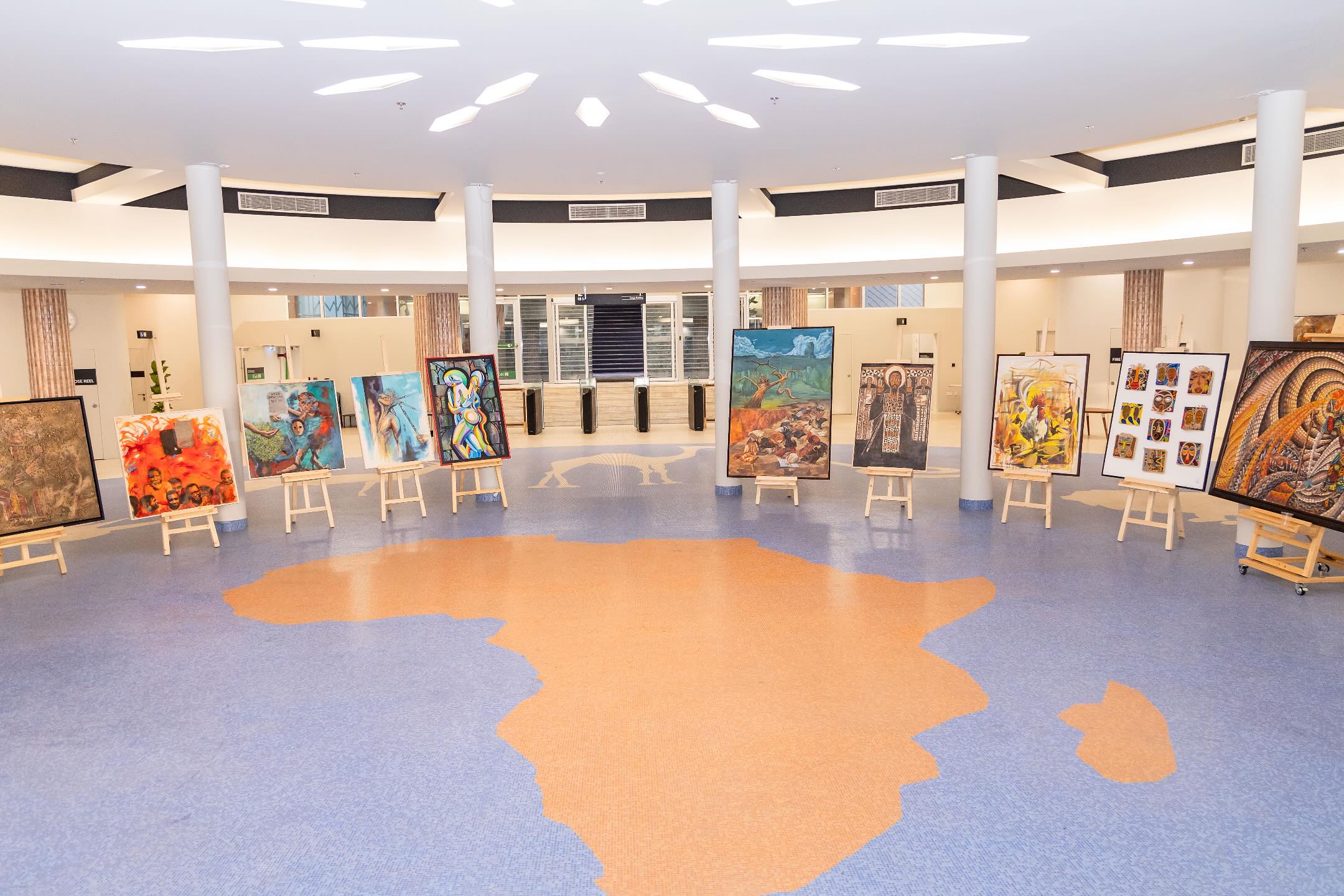
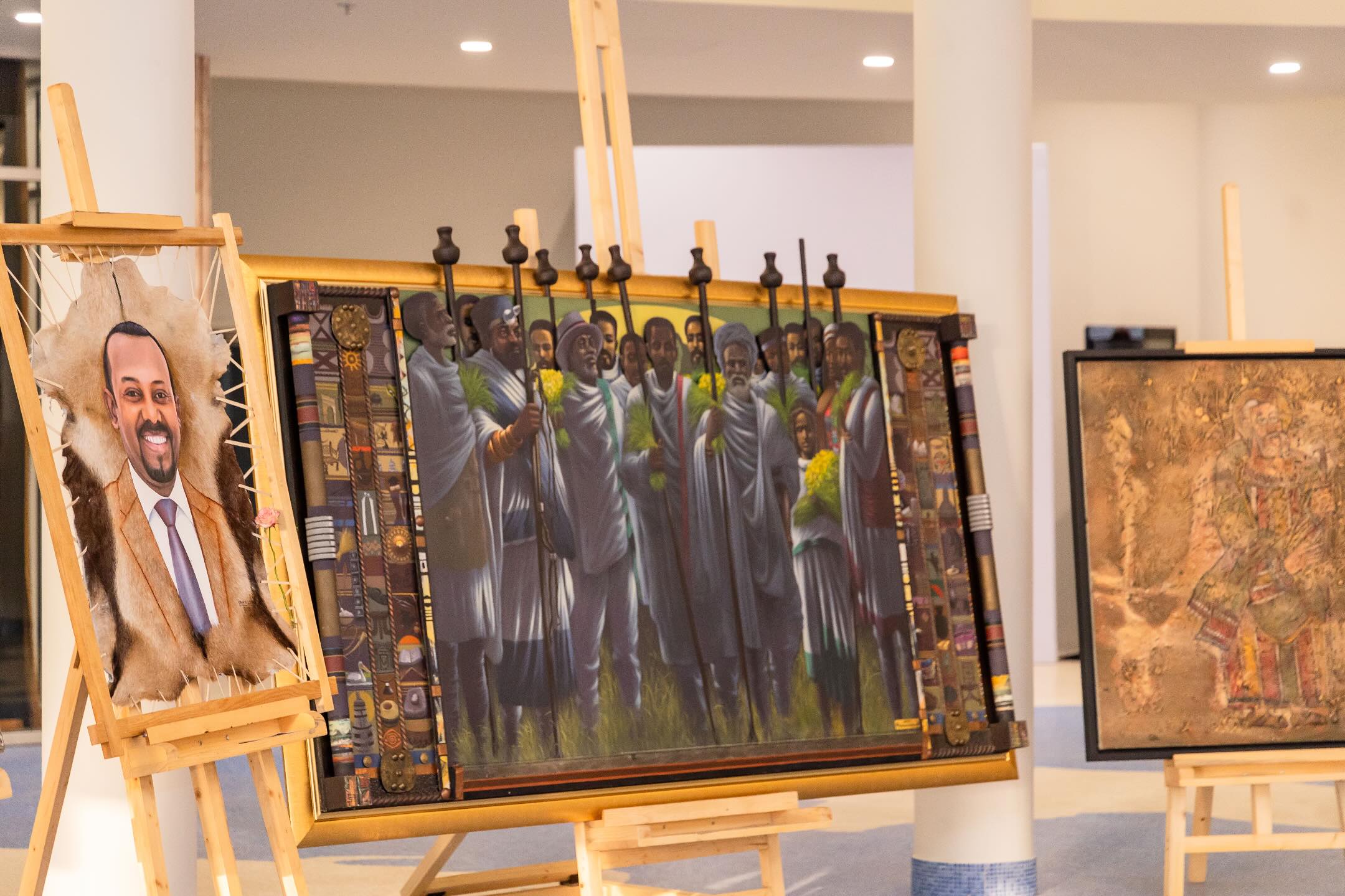
At UNECA, installations stretch across the atrium and courtyards, featuring mixed-media works that traverse sculpture, photography, digital projection, and textile art. The curatorial design encourages immersion: visitors move through a spatial narrative of displacement, resilience, and renewal.
Among the featured artists are Aïda Muluneh (Ethiopia), whose photographic series reclaims African womanhood from colonial distortion; Victor Ehikhamenor (Nigeria), known for his textured visual languages that merge spirituality with social critique; and Zohra Opoku (Ghana-Germany), whose textile-based portraits explore hybridity and memory. Together, their works construct a dialogue about restitution — not only of looted artifacts but of dignity, narrative, and agency.
UNECA’s Executive Secretary, in her opening remarks, described the exhibition as “a mirror to Africa’s conscience and a window to its future.” The choice of justice as a curatorial lens reflects the institution’s broader work on social inclusion, governance, and human development, situating art as part of the machinery of reform rather than its peripheral commentary.
Diaspora and the Politics of Belonging
The exhibition also foregrounds contributions from the African diaspora, with artists from the Caribbean, Europe, and the Americas reinterpreting Pan-African identity through contemporary mediums. Diasporic installations, such as multimedia collages on migration and digital murals inspired by Black Lives Matter iconography, expand the conversation on what it means to be African in an interconnected world.
By collapsing geographical distance, the Africa Art Installation asserts the diaspora as a living extension of the continent’s cultural sovereignty. The transnational dialogue evident in the works mirrors ongoing efforts within UNECA and the African Union’s Department of Social Affairs to institutionalise diaspora participation in continental development frameworks.
Culture as Development Infrastructure
Africa Celebrates 2025 has distinguished itself as a rare intersection of art, economics, and diplomacy. It exemplifies how culture can serve as infrastructure for development, building new channels of exchange between artists, policymakers, and investors. Through its focus on justice, the Africa Art Installation transcends aesthetic appreciation to function as a policy-adjacent exhibition, reminding audiences that sustainable justice in Africa must also be cultural — rooted in narrative sovereignty and shared historical consciousness.
As visitors move through the installation’s corridors, they encounter not only visual beauty but also a call to civic awakening. Justice here is not a courtroom principle but an ecosystem — one that depends on recognition, memory, and creation.
Reclaiming the African Imagination
By closing the distance between past and future, art and institution, creator and citizen, the Africa Art Installation at UNECA affirms a renaissance of cultural intelligence sweeping the continent. It transforms the visual into the political, situating art as an active participant in Africa’s reinvention.
As Africa Celebrates 2025 continues, the exhibition stands as one of its most profound statements: a continental mirror reflecting both the fractures and the luminosity of African experience. In doing so, it redefines art’s purpose — from expression to reclamation, and from beauty to justice.