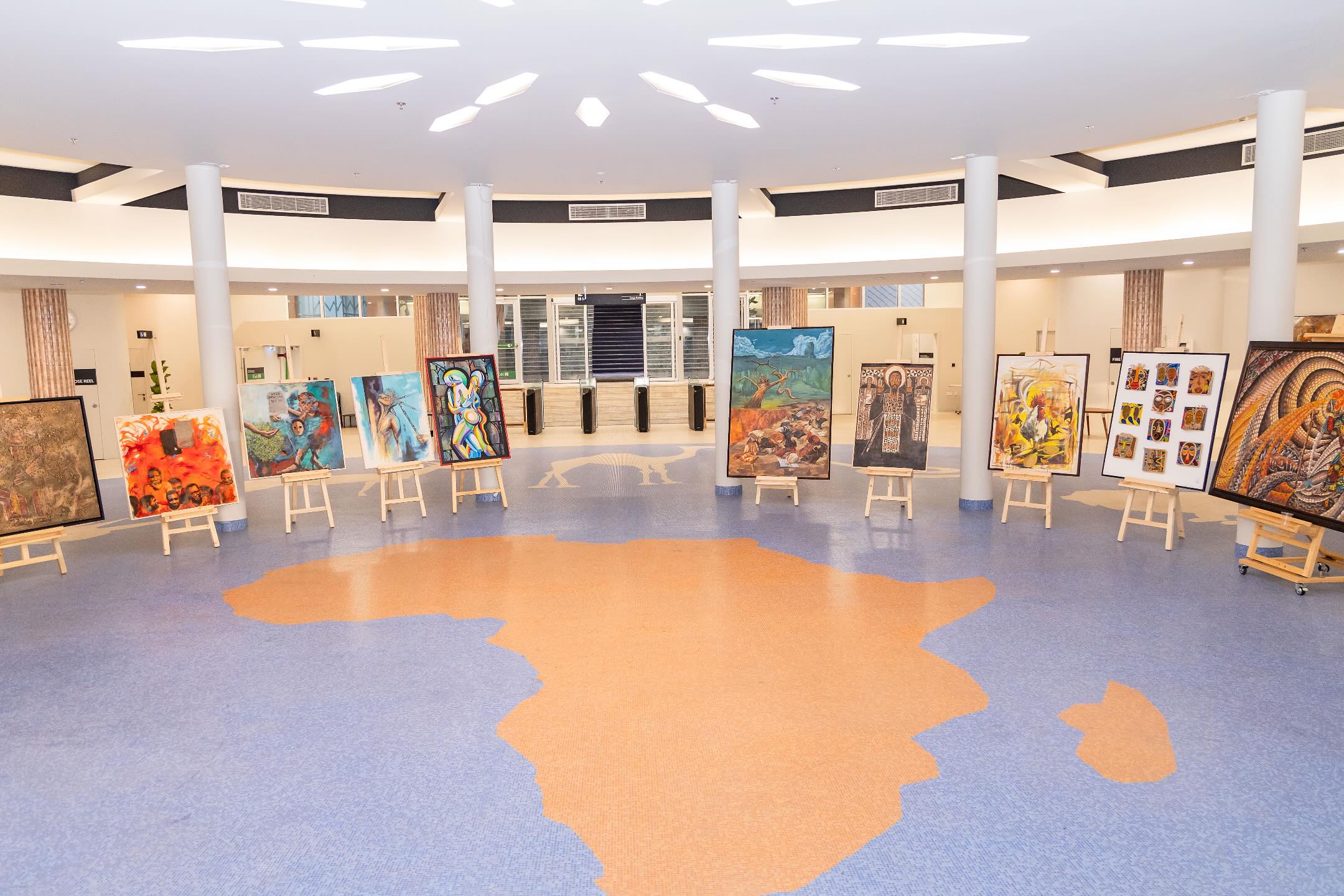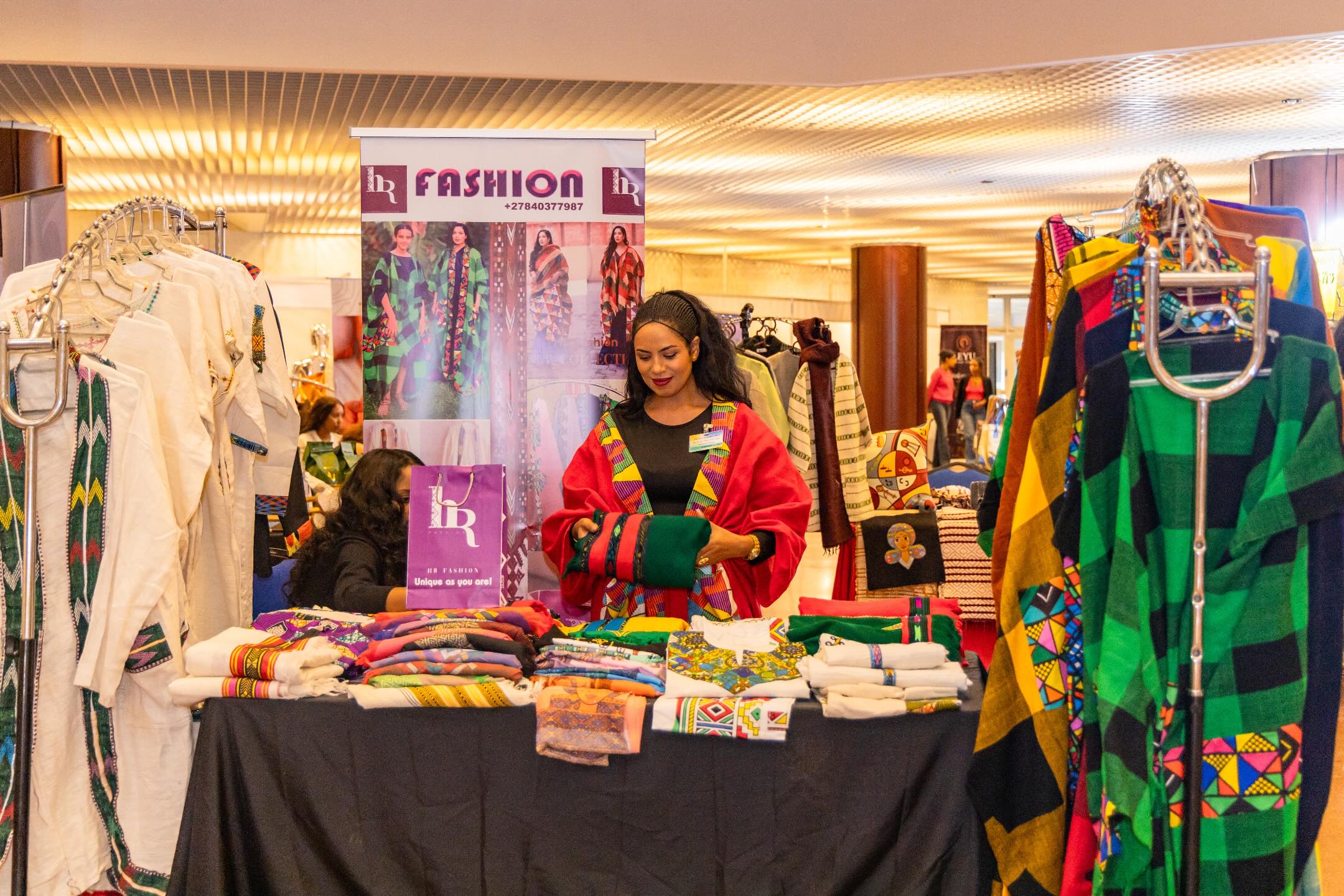
At the headquarters of the United Nations Economic Commission for Africa (UNECA) in Addis Ababa, the “Made in Africa” Exhibition has opened as a landmark moment for the continent’s creative and industrial economy. Curated as part of the Africa Celebrates initiative, the showcase draws a direct line between craftsmanship, cultural capital, and the emerging industrial power of African design. It marks a deliberate assertion that the future of global aesthetics, manufacturing, and ethical production is increasingly being shaped on African soil.
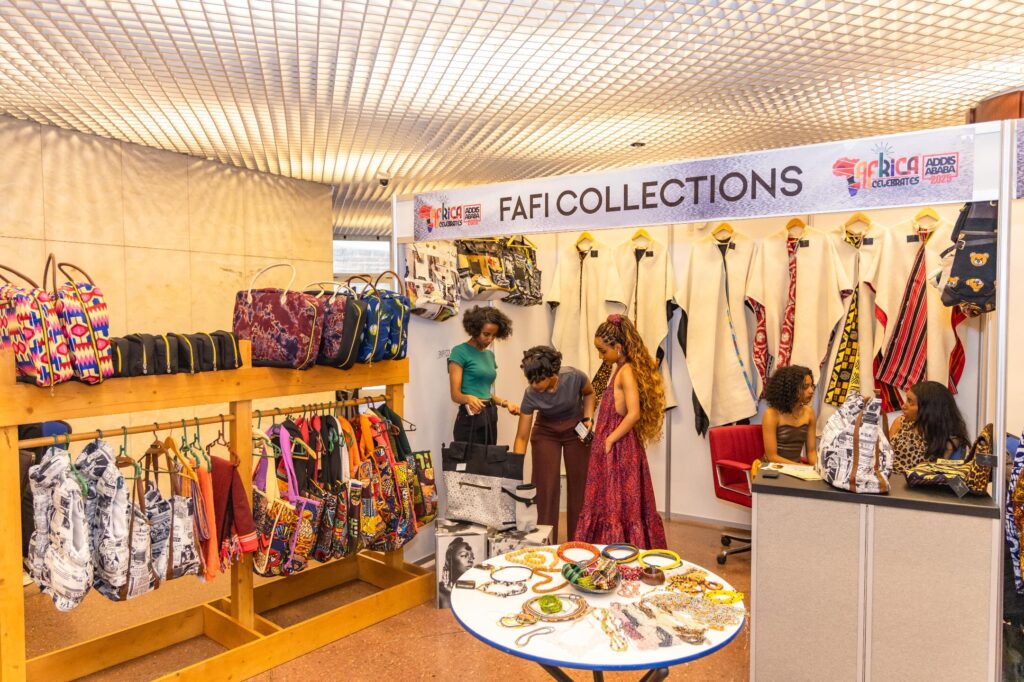
The exhibition’s curatorial direction — “African Excellence: Quality Beyond Borders” — reflects an economy of intent as much as it does of artistry. It brings together over 30 creative sectors, from fashion and textiles to architecture, fine art, and sustainable manufacturing. Each installation reflects a continent actively reclaiming its narrative from the margins of raw material exportation to the forefront of refined production and innovation.
UNECA’s recent data situates Africa’s creative economy at an estimated US$58 billion, employing more than five million people across design, film, fashion, and digital arts. This sector, though often underreported in national accounts, is now recognised as a strategic driver of industrial diversification and youth employment. Within the framework of the African Continental Free Trade Area (AfCFTA), the creative industries have become critical to regional value-chain development — turning creativity into an instrument of trade diplomacy.
A Design Renaissance Rooted in Policy
The “Made in Africa” exhibition is not a purely artistic gesture; it is also a strategic statement of policy alignment. The initiative supports Agenda 2063, the African Union’s blueprint for sustainable development, which calls for inclusive industrialisation and cultural integration as the foundation of continental unity. UNECA and the African Union Commission have underscored creative industries as pillars for achieving this goal, particularly in economies like Ethiopia, Nigeria, and South Africa, where design ecosystems are already translating into measurable GDP growth.
In the fashion segment, exhibitors such as Lisa Folawiyo Studio (Nigeria) and Mafi Mafi (Ethiopia) showcase collections that merge indigenous craft with contemporary silhouettes, proving that cultural preservation and modern commerce can coexist. These designers, alongside artisans from Ghana, Kenya, Morocco, and Senegal, highlight the continent’s mastery of textile innovation — from Akwete weaving and Bogolan mud cloth to recycled fibre couture — materials that stand at the intersection of sustainability and luxury.
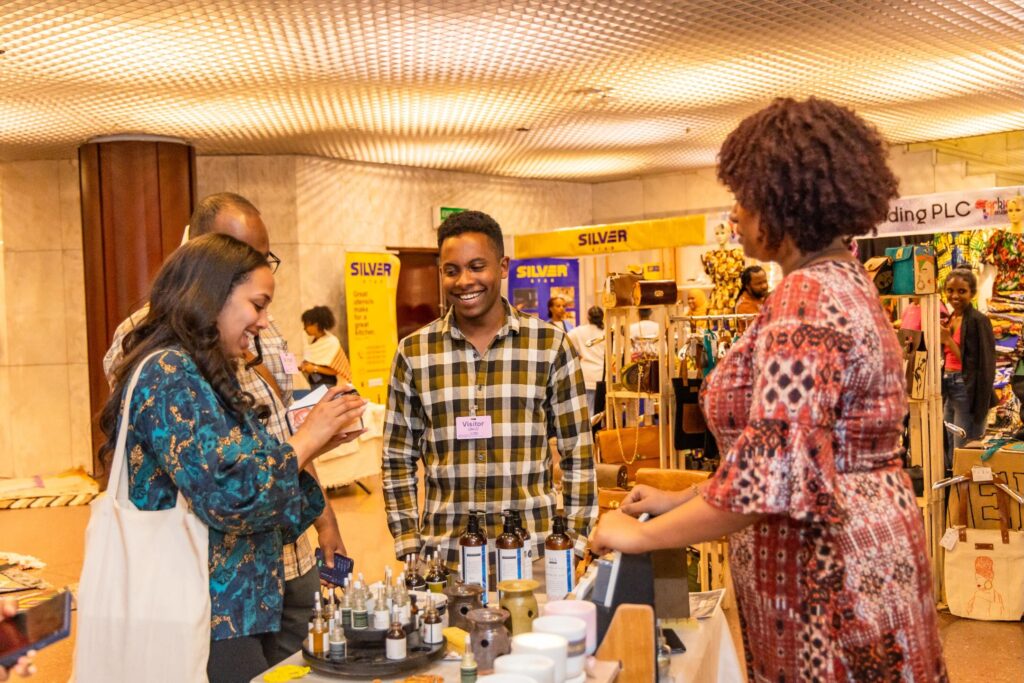
What differentiates “Made in Africa” from other global design showcases is its deliberate embedding within an economic architecture. Rather than functioning as a standalone creative event, it forms part of UNECA’s broader strategy to promote intra-African trade in creative goods and establish frameworks for design intellectual property protection. This integration of artistry and policy marks a new era of creative industrialisation, where design is not ornamental to growth but foundational to it.
The Rise of Tradeable Aesthetics
According to the Pan African Chamber of Commerce and Industry (PACCI), the exhibition aims to convert creative expression into measurable trade value by promoting African-made products as “tradeable aesthetics.” This approach challenges the global trade imbalance in which Africa exports raw cotton but imports finished garments, or supplies artisanal materials yet imports branded luxury goods derived from its own heritage.
The movement toward African-owned manufacturing is gathering pace. Textile hubs in Addis Ababa, Abidjan, and Cape Town are investing in high-tech production facilities, while governments in Rwanda and Ghana have introduced policies to limit second-hand clothing imports, protecting domestic textile industries. The UNCTAD Creative Economy Outlook (2022) reported that African creative exports grew by 13.9% annually between 2015 and 2020, with fashion and decorative arts accounting for the largest share. These numbers are modest but indicative of an emerging shift: the move from extraction to creation.
Sustainability as Design Intelligence
Sustainability runs through the exhibition as both a material and philosophical foundation. From biodegradable fabrics to upcycled accessories, exhibitors are interrogating the environmental impact of production while reasserting indigenous knowledge systems as blueprints for sustainable futures.
Designers such as Lukhanyo Mdingi (South Africa) and Selam Fessahaye (Eritrea-Sweden) exemplify this thinking — creating collections that honour craftsmanship as an ethical act. Their work situates sustainability not as a trend imported from Western markets, but as a practice deeply rooted in African community economies, where nothing is wasted and every resource has value.
This integration of sustainability with heritage speaks to a deeper economic truth: that Africa’s competitive advantage in the 21st century will not lie in cheap labour, but in cultural intelligence, ethical production, and aesthetic innovation.
From Cultural Diplomacy to Economic Leverage
The “Made in Africa” platform has also become a site of cultural diplomacy, drawing participation from African Union envoys, ministers of trade, and representatives from UN agencies. Beyond admiration, the exhibition seeks commitment — urging policymakers and investors to view design as infrastructure.
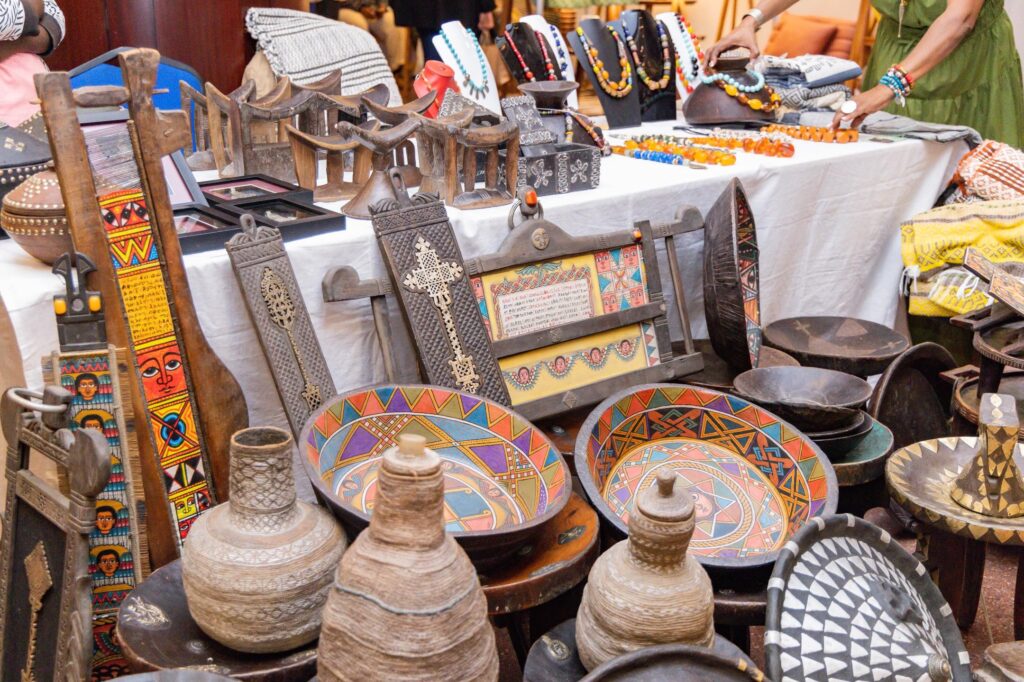
In this context, the fashion runway doubles as a trade corridor. Each garment, sculpture, and textile serves as evidence of a new development thesis: that African aesthetics, when industrially organised, can generate the kind of scalable value that once eluded resource-based economies.
For young creators, the event provides visibility and validation within global design circuits traditionally dominated by Western institutions. For investors, it signals a maturing market. For governments, it underscores that industrialisation need not come at the expense of culture, but through its elevation.
The New Definition of “Made in Africa”
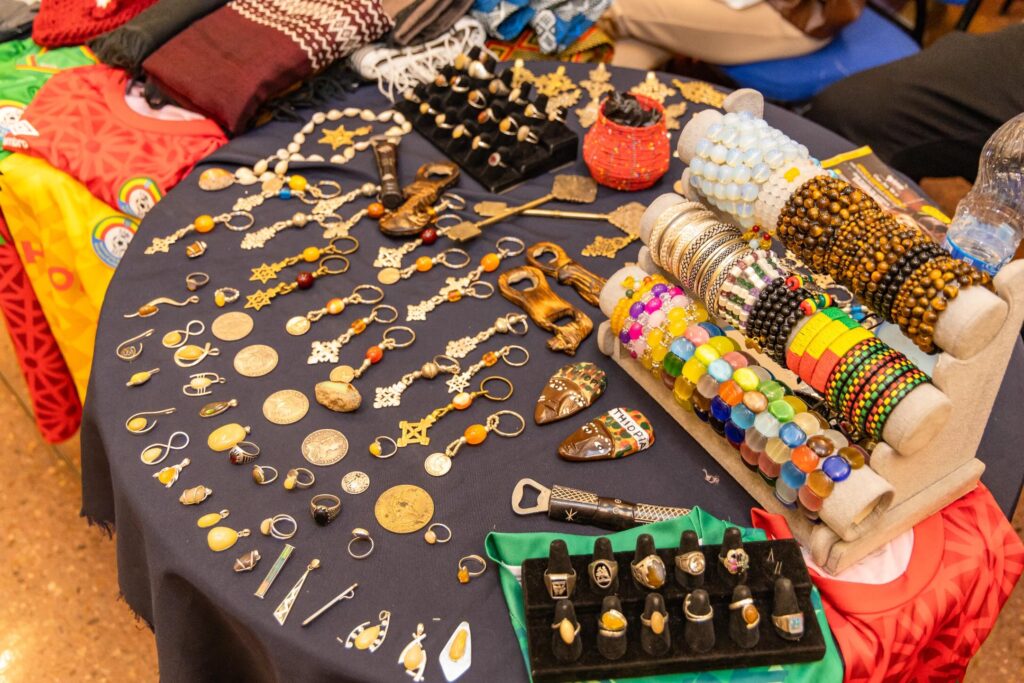
To say something is made in Africa is no longer merely to describe its origin. It is to affirm a philosophy — of creativity as sovereignty, production as power, and design as destiny. The UNECA exhibition is therefore more than a display of art and fashion; it is a call for systemic integration of creativity into Africa’s economic architecture.
As the exhibition continues through November, it redefines the global lexicon of craftsmanship and quality. The world’s next luxury narrative, it suggests, will not emerge from Paris or Milan, but from Addis Ababa, Lagos, Accra, and Kigali — cities where creativity is currency and where design has become the vocabulary of a rising industrial power.